
In today’s digital age, privacy and security have become paramount concerns for internet users worldwide. With the rise of cyber threats and an increasing number of regulations on online activities, the demand for VPN services has surged. A VPN, or Virtual Private Network, offers a secure and private way to browse the internet, allowing users to protect their data from prying eyes. In this article, we will explore the significance of VPN services, how they work, their benefits, and what to consider when choosing the right one for your needs.
What is a VPN and How Does It Work?
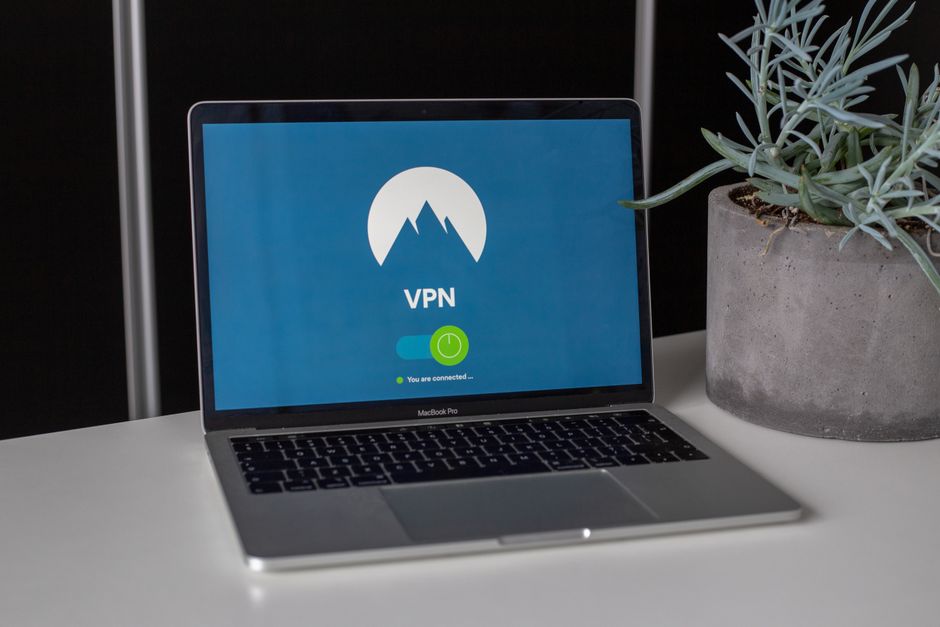
A VPN, or Virtual Private Network, is a technology that creates a secure connection between your device and the internet. By encrypting your data, a VPN ensures that your online activities remain private. When you connect to the internet through a VPN, your data is routed through a secure server, which masks your IP address. This not only enhances your privacy but also allows you to access content that may be restricted in your region.
For instance, when you connect to a VPN server located in another country, it appears as though you are browsing from that location. This can be particularly useful for accessing streaming services that may not be available in your home country. Moreover, VPNs use various protocols to establish secure connections, such as OpenVPN and L2TP/IPsec, each offering different levels of security and performance.
By understanding how a VPN operates, users can better appreciate its role in safeguarding their online presence. The technology behind VPNs employs advanced encryption methods, creating a secure tunnel for your data, which is essential in an era where cyber threats are rampant.
Benefits of Using a VPN Service
There are numerous advantages to using a VPN service, making it an essential tool for anyone who values their online privacy. One of the primary benefits is enhanced security. VPNs encrypt your internet traffic, making it nearly impossible for hackers or third parties to intercept your data. This is particularly crucial when using public Wi-Fi networks, which are often susceptible to cyber attacks.
Another significant benefit is the ability to bypass geo-restrictions. Many online services and streaming platforms impose regional limitations on their content. However, with a VPN, users can connect to servers in different countries, granting them access to a broader range of content. For example, a user in South Korea can connect to a US server to access Netflix’s extensive library available in the United States.
Additionally, using a VPN can help prevent bandwidth throttling by Internet Service Providers (ISPs). Some ISPs intentionally slow down your internet speed when they detect high data usage, such as streaming or gaming. By masking your online activities, a VPN can help maintain your internet speed, ensuring a smoother experience.
Choosing the Right VPN Service
With so many VPN services available, it can be challenging to select the right one. When considering a VPN, it is essential to evaluate several factors. First, look at the security features offered by the service. A reputable VPN should provide strong encryption, a no-logs policy, and advanced security protocols.
Next, consider the server locations and speeds. A VPN with a wide range of server locations can provide better access to global content, while faster speeds ensure a seamless browsing experience. User reviews and expert recommendations can also guide you in making an informed decision.
Lastly, keep an eye on the pricing and subscription plans. While some VPN services offer free options, they may come with limitations, such as data caps or slower speeds. Investing in a reliable paid VPN service, such as one that offers a comprehensive review of available options, can be worthwhile for enhanced security and performance.
Common Misconceptions About VPNs
Despite their growing popularity, several misconceptions about VPNs persist. One common myth is that VPNs provide complete anonymity online. While VPNs enhance privacy, they do not make users entirely invisible. Your online activities can still be tracked through other means, such as browser cookies and website tracking.
Another misconception is that all VPNs are the same. In reality, different VPN services offer varying levels of security, speed, and features. It is essential to research and compare different options to find one that suits your specific needs.
Finally, some believe that using a VPN is illegal. While VPNs are legal in many countries, some regions impose restrictions or bans on their use. Always check the laws in your jurisdiction before using a VPN to avoid potential legal issues.
Conclusion: The Essential Role of VPN Services
In conclusion, VPN services play a vital role in safeguarding our digital privacy and security. With the increasing number of cyber threats and the need for online anonymity, using a VPN is more important than ever. By encrypting your data, bypassing geo-restrictions, and enhancing your online security, a VPN can significantly improve your internet experience. As you consider your options, remember to evaluate the features and benefits of various VPN services to find one that best fits your needs. To explore some of the best options available, you can check out this VPN service guide.