
Stainless steel has become an indispensable material in various industries, thanks to its unique properties and aesthetic appeal. From kitchen utensils to architectural structures, stainless steel is a popular choice for its durability and corrosion resistance. In this article, we will explore the various applications of stainless steel, its advantages, and why it continues to be a leading material in modern manufacturing.
Understanding Stainless Steel
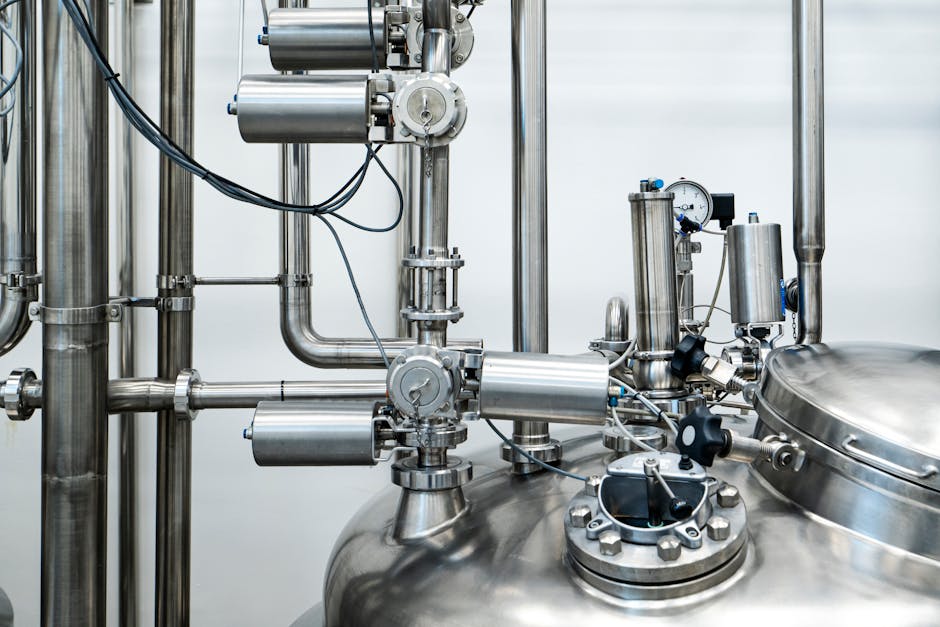
Stainless steel is an alloy primarily made up of iron, carbon, and a minimum of 10.5% chromium. This composition gives stainless steel its essential properties, including resistance to rust and staining. The addition of chromium forms a passive layer of chromium oxide on the surface, which protects the metal from corrosion. The varying compositions of stainless steel can enhance its mechanical properties, making it suitable for different applications.
There are several grades of stainless steel, each tailored for specific uses. For example, type 304 is commonly used in kitchen equipment due to its excellent corrosion resistance, while type 316 is preferred in marine environments for its heightened resistance to saltwater. Understanding these distinctions is crucial for selecting the right stainless steel for your needs.
Applications in Everyday Life
Stainless steel’s versatility is evident in its wide range of applications. In the culinary world, it is the material of choice for cookware, cutlery, and food processing equipment. Its non-reactive nature ensures that food maintains its flavor and quality, making it ideal for restaurants and homes alike.
Beyond the kitchen, stainless steel is extensively used in the construction industry. From structural beams to decorative facades, its strength and aesthetic appeal make it a favorite among architects and builders. Additionally, stainless steel is used in the manufacturing of appliances, automotive parts, and even medical instruments, showcasing its adaptability across sectors.
Environmental Benefits
In an age where sustainability is paramount, stainless steel stands out as an environmentally friendly material. It is 100% recyclable, meaning that it can be repurposed without losing its essential properties. This aspect not only reduces waste but also conserves natural resources.
Furthermore, the longevity of stainless steel products contributes to a lower environmental impact. Items made from stainless steel can last for decades, reducing the need for frequent replacements and the associated manufacturing processes. By choosing stainless steel, consumers can make a sustainable choice that benefits both their immediate needs and the planet.
Maintenance and Care
Maintaining stainless steel products is relatively simple, which is one of the reasons for its widespread use. Regular cleaning with mild soap and water is usually sufficient to keep stainless steel looking pristine. For tougher stains, specialized cleaners are available that can restore the surface without causing damage.
It is important to note that while stainless steel is resistant to corrosion, it is not entirely impervious. Environments with high levels of chlorides, such as coastal areas, may require more frequent maintenance to prevent pitting corrosion. However, the benefits of stainless steel far outweigh these minor drawbacks, making it an excellent investment for both consumers and businesses.
Future Trends and Innovations
The future of stainless steel is promising, with ongoing research and innovations aimed at improving its properties and expanding its applications. For instance, the development of new alloys with enhanced corrosion resistance and strength is paving the way for more specialized uses in industries like aerospace and energy.
Moreover, advancements in manufacturing processes, such as additive manufacturing, are enabling the creation of complex stainless steel components that were previously impossible to fabricate. These innovations will likely lead to new markets and opportunities for stainless steel, ensuring its relevance in the modern world.
As industries evolve, the role of stainless steel will continue to grow. Whether in the form of cutting-edge technology or robust infrastructure, stainless steel remains a cornerstone of modern manufacturing.
Conclusion
In summary, stainless steel is a remarkable material that combines durability, versatility, and environmental sustainability. Its applications span a wide range of industries, making it an essential choice for consumers and manufacturers alike. As we look to the future, the continued innovation in stainless steel production and application will undoubtedly cement its position as a vital component in our daily lives. For those seeking quality and reliability in furniture, exploring options from a reputable Furniture Company In Saudi Arabia can provide an excellent starting point.