Aviation insurance is a critical component of the aviation industry, providing essential coverage for various risks associated with flying. Whether you are a pilot, an aircraft owner, or a business that relies on aviation for its operations, understanding aviation insurance can help protect your investment and ensure safety in the skies. This article will delve into the different types of aviation insurance, the necessity of coverage, and the factors influencing insurance premiums.
Types of Aviation Insurance
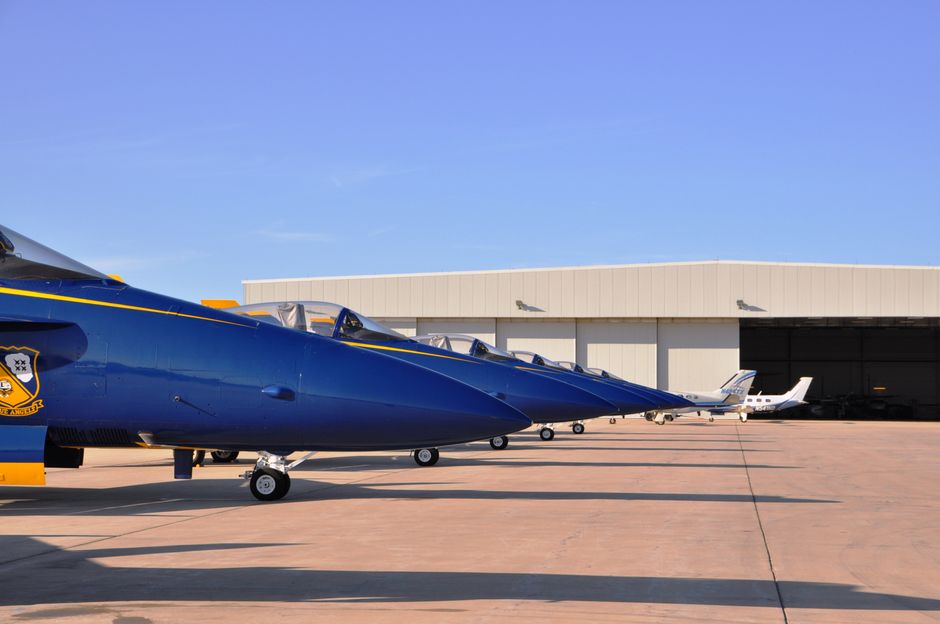
Aviation insurance can be broadly categorized into several types, each catering to specific needs. The most common types include hull insurance, liability insurance, and passenger insurance. Hull insurance covers physical damage to the aircraft itself, while liability insurance protects against claims from third parties due to accidents or incidents involving the aircraft. Passenger insurance provides coverage for injuries sustained by passengers during the flight.
In addition to these primary categories, there are specialized policies available for various aviation activities. For instance, flight schools often require specific insurance that covers training flights and student pilots. Similarly, commercial operators, such as charter services and cargo transporters, have unique insurance requirements based on their operations.
The Necessity of Aviation Insurance
The aviation industry is inherently risky, and accidents can lead to significant financial losses. The necessity of aviation insurance cannot be overstated. It not only protects the aircraft owner from financial liability but also ensures that injured parties receive compensation. In many jurisdictions, having insurance is a legal requirement for operating an aircraft.
Furthermore, in the case of an accident, the costs associated with damage and liability can escalate quickly. For example, a mid-air collision or ground incident can result in millions of dollars in damages. Aviation insurance helps mitigate these risks, allowing operators to focus on their aviation activities without the constant fear of financial ruin.
Factors Influencing Aviation Insurance Premiums
Several factors influence the premiums for aviation insurance, including the type of aircraft, its use, the pilot’s experience, and the operational history. Insurers typically assess the aircraft’s age, make, and model, as well as its maintenance record. Newer aircraft with advanced safety features may qualify for lower rates compared to older models.
The purpose of the aircraft also plays a significant role in determining premiums. Commercial operations generally incur higher premiums than private use due to the increased risks associated with transporting passengers or cargo. Additionally, the pilot’s experience and training can affect rates; highly experienced pilots with clean safety records may qualify for discounts.
Claim Process in Aviation Insurance
Understanding the claims process is vital for anyone involved in aviation. In the event of an incident, the policyholder must promptly report the claim to their insurance provider. Most insurers have specific guidelines for reporting and documenting incidents, which can include gathering witness statements, photographs, and police reports.
Once a claim is submitted, the insurance company will investigate the incident to determine coverage applicability. This process can sometimes be lengthy, but it is crucial for ensuring that all relevant details are considered. Once the investigation is complete, the insurer will either approve or deny the claim based on the policy’s terms.
Aviation Insurance and Risk Management
Aviation insurance should be viewed as a part of a broader risk management strategy. Operators should conduct regular safety audits and training to minimize risks and improve safety protocols. Additionally, maintaining open communication with insurance providers can lead to better coverage options and help tailor policies to specific needs.
By fostering a culture of safety and risk awareness, aviation businesses can not only reduce their insurance costs but also enhance their overall operational efficiency. This proactive approach ensures that all stakeholders, from pilots to passengers, are protected.
Conclusion
Aviation insurance is a vital aspect of the aviation industry that provides essential protection against various risks. With different types of coverage available, understanding the nuances of aviation insurance is paramount for anyone involved in flying. By recognizing the necessity of coverage, the factors influencing premiums, and the claims process, aviation operators can make informed decisions that safeguard their investments and ensure safety in the skies. For those looking to explore options, it is essential to consult with professionals who specialize in aviation insurance to find the best policy suited to their needs.