
Handmade pizza is more than just a meal; it is a celebration of flavors, textures, and the joy of cooking. For many, the process of making pizza from scratch is an art form that combines creativity with culinary skill. Whether you are a novice or an experienced chef, understanding the intricacies of handmade pizza can elevate your cooking experience and delight your taste buds.
The Basics of Handmade Pizza Dough
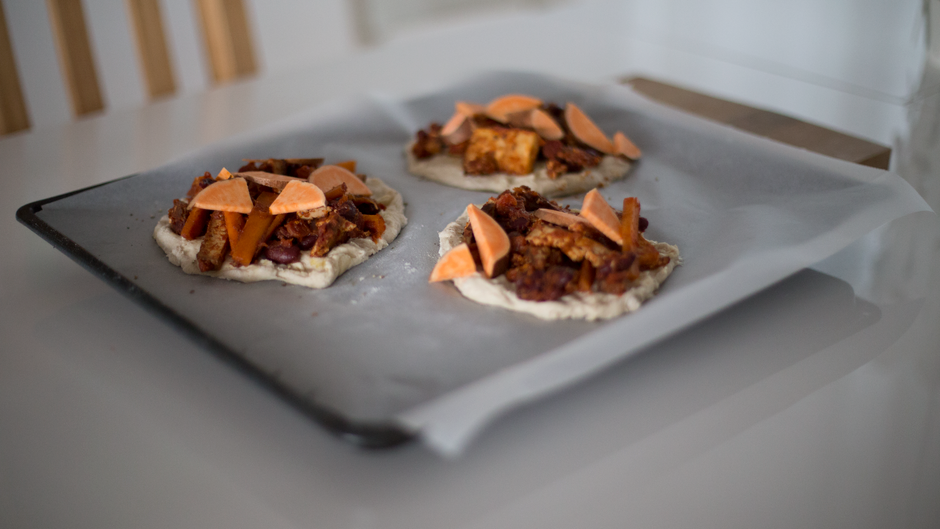
The foundation of any great pizza is its dough. Handmade pizza dough is typically made from flour, water, yeast, and salt. The key to achieving the perfect texture lies in the mixing and kneading process. Generally, a 00 flour is preferred for its fine texture, which yields a chewy crust. When mixing the ingredients, it is crucial to allow the dough to rise properly, usually for at least 1-2 hours, to develop its flavor and structure.
In addition to traditional wheat flour, many enthusiasts are experimenting with alternative flours such as gluten-free options made from almond or chickpea flour. This innovation caters to various dietary needs without sacrificing taste. Furthermore, incorporating herbs and spices, such as oregano or garlic powder, into the dough can add an extra layer of flavor that enhances the overall experience.
Once the dough has risen, it should be shaped into a round base. The technique of stretching the dough by hand rather than using a rolling pin is recommended, as this helps maintain air pockets that contribute to a light and airy crust. Many pizzaiolos (pizza makers) emphasize the importance of working with the dough gently to preserve its elasticity.
Choosing the Right Ingredients
The choice of toppings is where handmade pizza truly shines. Utilizing fresh, high-quality ingredients can significantly impact the flavor profile of the final product. Traditional pizzas often feature simple toppings such as San Marzano tomatoes, fresh mozzarella, and basil. However, the beauty of handmade pizza lies in its versatility. You can create everything from classic Margherita to gourmet options like truffle oil and prosciutto.
When selecting tomatoes, opt for San Marzano or plum tomatoes for a rich, sweet sauce. For cheese, fresh mozzarella is a favorite; however, blending different types of cheese, such as provolone or gouda, can create a unique taste. Additionally, seasonal vegetables or artisanal meats can elevate your pizza to new heights, allowing for endless creativity.
For those seeking a unique twist, consider incorporating non-traditional toppings like figs, arugula, or even barbecue sauce. The key is to balance flavors; the sweetness of certain ingredients can complement the savory aspects beautifully.
The Importance of Baking Techniques
The way you bake your handmade pizza plays a pivotal role in achieving that perfect crust. Home ovens can reach high temperatures, but they often don’t replicate the intense heat of a traditional pizza oven. To get around this, a pizza stone can be used to help distribute heat evenly, allowing for a crispy base. Preheating the stone in the oven for at least 30 minutes before baking is crucial.
For those who want to recreate the authentic pizzeria experience, investing in a wood-fired pizza oven can be a game-changer. These ovens can reach temperatures upwards of 700°F, cooking pizzas in just a couple of minutes and delivering a charred, flavorful crust that is hard to beat.
Additionally, rotating the pizza halfway during baking can ensure an even cook across the pie. This simple technique allows for consistent results, preventing one side from becoming overly browned while the other remains undercooked.
Experimenting with Styles and Flavors
Handmade pizza is not limited to one style or flavor. While Neapolitan and New York-style pizzas are widely recognized, there is a world of regional variations to explore. From Chicago deep-dish to Sicilian square pies, each style offers a unique take on the classic dish.
Moreover, experimenting with flavors is part of the fun. Consider making a dessert pizza topped with Nutella, strawberries, and a drizzle of balsamic glaze for a sweet ending to your meal. The possibilities are endless, and each creation can reflect your personal taste and culinary curiosity.
As you venture into the world of handmade pizza, don’t hesitate to host a pizza night with friends or family. This not only allows for social interaction but also encourages creativity as everyone can customize their pizzas with their favorite toppings.
Conclusion: The Joy of Handmade Pizza
Handmade pizza is a delightful culinary journey that combines tradition, innovation, and creativity. From mastering the dough to selecting the finest ingredients, each step in the process contributes to a delicious end product that can be shared with loved ones. Whether you are making a classic Margherita or experimenting with bold new flavors, the satisfaction of creating something from scratch is unparalleled.
As you dive deeper into the art of handmade pizza, remember to enjoy the process and embrace the imperfections. After all, the most memorable meals are often those shared with friends and family. For those looking to explore more options, visiting a local pizzeria that specializes in handmade styles can provide inspiration and insight, such as the offerings at LUXURY 777. So, gather your ingredients, roll up your sleeves, and get ready to indulge in the delicious world of handmade pizza.