
Crop insurance has become an essential tool for farmers globally, providing financial security against the unpredictable nature of agriculture. As climate change continues to affect weather patterns, the need for effective risk management strategies has never been more critical. In this article, we will explore the various aspects of crop insurance, including its benefits, types, and the role it plays in supporting farmers.
The Importance of Crop Insurance
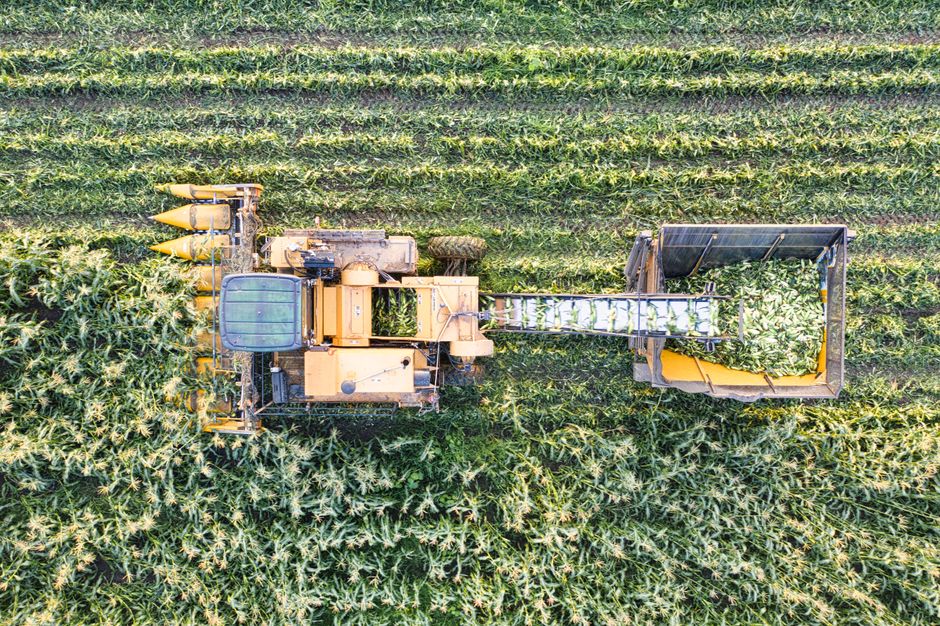
Farmers face numerous risks that can significantly impact their livelihoods. From natural disasters like floods and droughts to pest infestations, the agricultural sector is vulnerable to various uncertainties. Crop insurance acts as a financial safety net, ensuring that farmers can recover from losses incurred due to these unforeseen events.
According to the United States Department of Agriculture (USDA), crop insurance programs have helped stabilize farm income and promote a more resilient agricultural sector. By mitigating the financial risks associated with farming, crop insurance allows farmers to focus on production rather than worrying about potential losses.
Moreover, the availability of crop insurance encourages farmers to invest in better farming practices and technologies, knowing that they have a safety net in case of failure. This investment in innovation can lead to higher productivity and sustainability in the long run.
Types of Crop Insurance
There are primarily two types of crop insurance: yield-based and revenue-based. Yield-based insurance covers losses in crop yield due to adverse weather conditions or other disasters. For example, if a farmer’s corn yield falls below a predetermined level due to a hailstorm, they can file a claim to recover a portion of their losses.
Revenue-based insurance, on the other hand, protects against a decline in revenue caused by a drop in both yield and prices. This type of insurance is particularly beneficial in volatile markets, where prices fluctuate significantly. Farmers can choose the type of coverage that best suits their needs, depending on their specific risks and financial situations.
Additionally, some countries offer crop insurance programs that are subsidized by the government, making it more affordable for farmers to participate. These programs often include education and resources to help farmers understand their options and make informed decisions.
Challenges in Crop Insurance
Despite its numerous advantages, crop insurance is not without challenges. One of the primary issues is the complexity of the policies, which can be difficult for farmers to navigate. Many farmers may find it challenging to understand the terms and conditions, leading to underinsurance or missed opportunities for coverage.
Furthermore, there can be disparities in access to crop insurance, particularly for smallholder farmers or those in developing countries. Limited resources and lack of awareness can prevent these farmers from securing the insurance they need to protect their livelihoods.
Additionally, the accuracy of loss assessments can sometimes be contentious, leading to disputes between farmers and insurance providers. Ensuring transparent processes and fair assessments is crucial for maintaining trust in crop insurance systems.
The Future of Crop Insurance
The future of crop insurance looks promising, particularly with advancements in technology. Big data and satellite imagery are increasingly being used to assess crop health and predict yields, allowing for more accurate insurance assessments. This technological integration can lead to more tailored insurance products that meet the specific needs of individual farmers.
Moreover, as climate change continues to pose new challenges, crop insurance programs will need to evolve. There will be a growing demand for innovative coverage options that address emerging risks, such as those related to changing weather patterns and environmental sustainability.
In addition, collaboration between governments, insurance companies, and farmers will be essential to develop solutions that are accessible and equitable. By working together, stakeholders can create a more resilient agricultural sector that can withstand the challenges of the future.
Conclusion
Crop insurance is a vital component of modern agriculture, providing essential protection for farmers against the uncertainties of their profession. As the agricultural landscape continues to change, the importance of understanding and utilizing crop insurance will only grow. By exploring the various types of coverage available and addressing the challenges that exist, we can ensure that farmers are equipped to face the future with confidence. For more detailed information, you can refer to crop insurance resources available through agricultural organizations.