
Hair loss is a common concern that affects millions of people worldwide, leading many to seek solutions for restoring their hair. Among the various options available, hair transplant surgery has gained significant popularity due to its effectiveness and long-lasting results. In this article, we will explore the different types of hair transplant procedures, the benefits, potential risks, and what one should consider before undergoing this transformative treatment.
What is Hair Transplant?
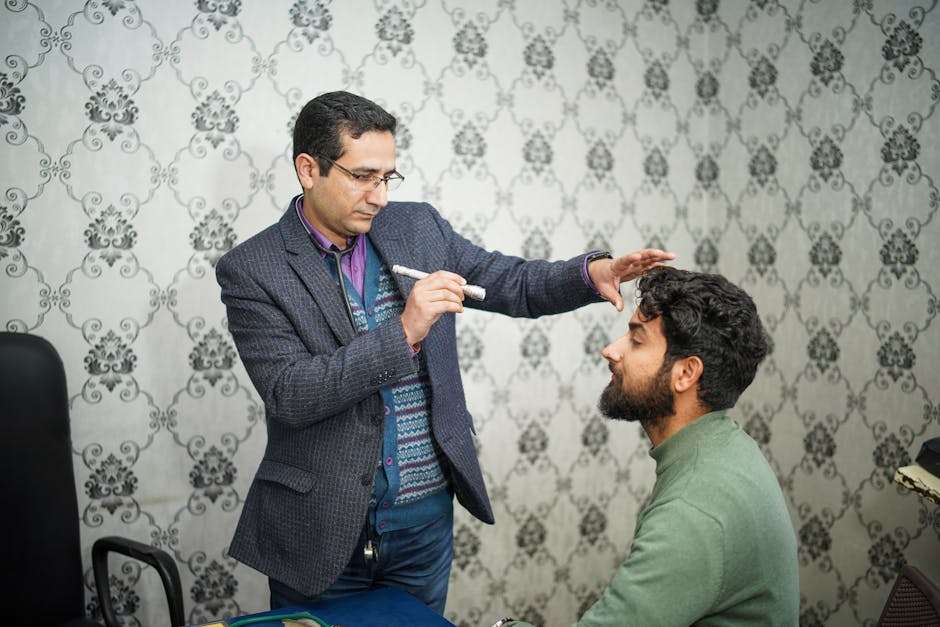
Hair transplant is a surgical procedure that involves moving hair follicles from a part of the body known as the donor site to a bald or balding area known as the recipient site. This method is primarily used to treat male and female pattern baldness. The two most common techniques include Follicular Unit Transplantation (FUT) and Follicular Unit Extraction (FUE).
FUT involves removing a strip of scalp from the donor site, which is then dissected into individual follicular units for transplantation. On the other hand, FUE extracts individual hair follicles directly from the scalp, resulting in minimal scarring and a quicker recovery time. Both methods have their advantages and can produce natural-looking results.
Benefits of Hair Transplant
One of the primary benefits of hair transplant is the permanent solution it offers for hair loss. Unlike topical treatments or medications, which require ongoing use and may not yield significant results, a hair transplant can provide a fuller head of hair that lasts a lifetime.
Additionally, the procedure is minimally invasive, with patients often able to return to their normal activities within a few days. The natural results achieved through hair transplant can significantly boost an individual’s confidence and self-esteem. Many patients report a marked improvement in their quality of life post-surgery, feeling more youthful and attractive.
Considerations Before Undergoing Hair Transplant
Before deciding on a hair transplant, there are several factors to consider. Firstly, it is essential to consult with a qualified and experienced surgeon who specializes in hair restoration. Researching the clinic’s reputation, patient reviews, and before-and-after photos can provide insights into the expected outcomes.
Moreover, candidates should have realistic expectations regarding the results. While hair transplants can yield impressive results, they are not a miracle cure for all types of hair loss. It is also important to understand the potential risks and side effects, including infection, scarring, and the possibility of poor hair growth.
The Cost of Hair Transplant
The cost of hair transplant procedures can vary widely based on factors such as the clinic’s location, the surgeon’s expertise, and the technique used. On average, patients can expect to pay anywhere from $4,000 to $15,000 for a hair transplant. Some may find more affordable options overseas, such as in Turkey, where clinics offer competitive prices without compromising on quality.
For those considering international options, it is crucial to conduct thorough research. Many clinics in Turkey provide comprehensive packages that include the procedure, accommodation, and transportation, making it an attractive choice for many patients. One such option is hair transplant turkey, which has become increasingly popular among individuals seeking quality care at a lower price.
Post-Operative Care and Recovery
Post-operative care is critical for ensuring the success of a hair transplant. Patients are typically advised to avoid strenuous activities for at least a week. It is also vital to follow the surgeon’s instructions regarding washing the hair and taking prescribed medications to minimize the risk of complications.
Recovery times can vary, but most patients report noticeable hair growth within 3 to 6 months after the procedure. Full results may take up to a year to become apparent as the hair continues to grow and thicken over time. Regular follow-up appointments with the surgeon can help monitor progress and address any concerns.
Conclusion
Hair transplant surgery offers a viable solution for those struggling with hair loss. With advances in technology and surgical techniques, patients can achieve natural-looking results that significantly enhance their appearance and confidence. By understanding the procedures, benefits, costs, and recovery process, individuals can make informed decisions about their hair restoration journey. Whether considering a local clinic or exploring options abroad, thorough research and consultation with experts are essential steps in this transformative process.