
Cardiopulmonary resuscitation (CPR) is a critical emergency procedure that can save lives in cases of cardiac arrest. It involves a combination of chest compressions and rescue breaths to maintain blood flow and oxygenation to vital organs until professional medical help arrives. Understanding the importance, techniques, and latest guidelines of CPR can empower individuals to act effectively in emergencies.
What is CPR and Its Importance?
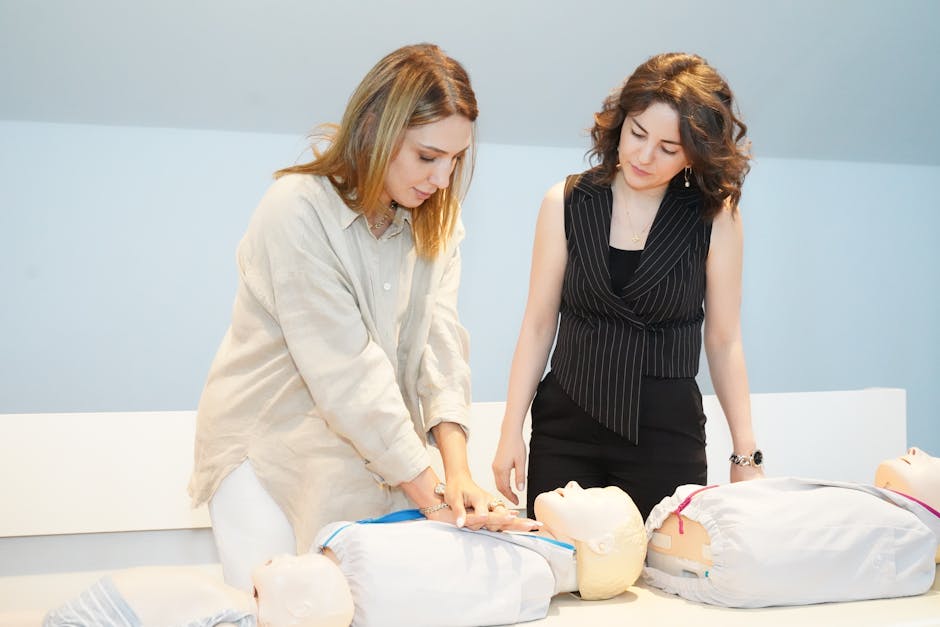
CPR is a lifesaving technique that is performed when someone’s heart stops beating. The heart plays a crucial role in pumping oxygenated blood throughout the body, and its failure can result in irreversible brain damage or death within minutes. Statistics indicate that nearly 350,000 cardiac arrests occur outside of hospitals each year in the United States, highlighting the urgent need for widespread CPR training.
Immediate CPR can double or triple a victim’s chance of survival. According to the American Heart Association, effective bystander CPR provided immediately after cardiac arrest can significantly increase the likelihood of survival. The importance of CPR extends beyond just saving lives; it also brings a sense of empowerment and readiness to individuals who are equipped with this essential skill.
The Basic Steps of CPR
Performing CPR involves several critical steps that should be followed in a clear and confident manner. The first step is to assess the situation and ensure the scene is safe. Next, check for responsiveness by gently shaking the person and shouting. If there is no response, call emergency services immediately.
Once emergency help is on the way, it’s time to begin chest compressions. Position your hands in the center of the chest and push down hard and fast, at a rate of 100 to 120 compressions per minute. This rhythmic compression helps to circulate blood to vital organs. After every 30 compressions, two rescue breaths should be given, ensuring that the airway is clear and the breaths are effective.
Training in CPR can enhance confidence and efficiency in performing these steps. Many organizations offer CPR courses, such as the HLR kurs Stockholm, where individuals can learn to respond effectively in emergencies.
Common Myths About CPR
Despite the life-saving potential of CPR, several myths persist that may deter individuals from learning or performing it. One common myth is that performing CPR incorrectly can cause harm to the victim. However, it is essential to remember that any attempt at CPR is better than no attempt at all.
Another misconception is that CPR is only necessary for adults. In reality, children and infants can also experience cardiac arrest, and modified CPR techniques are employed for younger patients. Understanding these myths is crucial in fostering a culture of readiness and responsiveness to medical emergencies.
Innovations in CPR Techniques
Advancements in technology and medical research have led to innovations in CPR techniques. For instance, hands-only CPR, which focuses solely on chest compressions without rescue breaths, has been shown to be effective and is recommended for untrained bystanders. This simplifies the process and encourages more people to intervene in emergencies.
Moreover, the integration of automated external defibrillators (AEDs) in public spaces has further enhanced survival rates. These devices are designed to be user-friendly and provide step-by-step instructions for delivering electric shocks to restore a normal heart rhythm. The combination of CPR and AED usage can significantly improve outcomes for cardiac arrest victims.
Conclusion: The Need for CPR Awareness
CPR is a vital skill that everyone should learn, as it can be the difference between life and death in emergencies. Increased awareness and training can lead to more individuals being prepared to act when it matters most. Community programs, training sessions, and campaigns to educate the public about CPR can pave the way for a society that is better equipped to handle cardiac emergencies.
By understanding CPR techniques, overcoming myths, and embracing innovations, we can enhance our collective ability to save lives. As such, every individual is encouraged to seek out training opportunities and become a part of the solution in improving survival rates during cardiac arrests.