
In an increasingly digital world, securing sensitive information and controlling access to physical and virtual spaces has never been more critical. Access control systems serve as a crucial line of defense against unauthorized access, ensuring that only authorized personnel can enter specific areas or access particular data. This article delves into the various components, types, and benefits of access control systems, providing a comprehensive overview for businesses and individuals looking to enhance their security protocols.
What is an Access Control System?
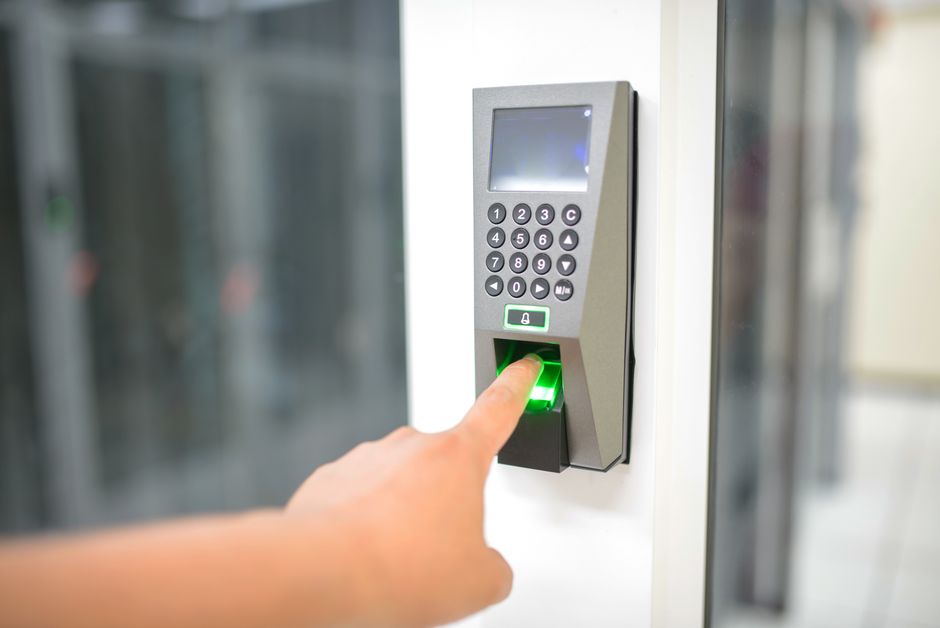
An access control system is a framework that governs who can enter or exit a particular area or access certain information. These systems are pivotal in both physical security and cybersecurity, as they help organizations manage permissions and protect sensitive assets. The primary goal of an access control system is to ensure that authorized users can access resources while preventing unauthorized access.
Access control systems can be broadly categorized into three types: mandatory access control (MAC), discretionary access control (DAC), and role-based access control (RBAC). Each of these systems has its unique features and applications, catering to different organizational needs and security requirements.
Components of Access Control Systems
Access control systems consist of several key components, each playing a vital role in ensuring security. These components include:
- Identification and Authentication: This involves verifying the identity of users attempting to access a resource. Common methods include passwords, smart cards, biometric scanners, and two-factor authentication.
- Access Control Policies: Policies define who can access what resources and under which conditions. They are crucial in establishing security protocols and ensuring compliance with regulations.
- Access Control Devices: These include hardware components such as card readers, biometric scanners, and locks that physically restrict or grant access to areas.
- Monitoring and Logging: This involves tracking access attempts, recording who accessed what and when. Monitoring helps organizations detect unauthorized access and respond promptly.
Implementing a robust access control system with these components can significantly enhance an organization’s security posture.
Types of Access Control Systems
Access control systems can be classified into several types, each suitable for different scenarios:
1. Physical Access Control Systems
These systems manage access to physical locations, such as buildings or secure areas. They typically involve key cards, biometric readers, and electronic locks. For instance, many corporate offices use key card systems to restrict access to sensitive areas, ensuring only authorized personnel can enter.
2. Logical Access Control Systems
Logical access control focuses on securing access to digital resources, such as networks, applications, and databases. This often involves user accounts, passwords, and permissions. Organizations implement logical access control systems to safeguard sensitive data from unauthorized users.
3. Role-Based Access Control (RBAC)
RBAC is a widely used system where access rights are assigned based on the roles of individual users within an organization. For example, an HR manager may have access to employee records, while a marketing executive may not. This approach simplifies management and enhances security.
Benefits of Implementing Access Control Systems
Implementing an access control system offers numerous advantages for organizations:
- Enhanced Security: By controlling who can access what, organizations can significantly reduce the risk of unauthorized access and potential data breaches.
- Improved Compliance: Many industries are subject to regulations regarding data protection. Access control systems help organizations comply with these regulations by ensuring that only authorized personnel can access sensitive information.
- Auditing and Monitoring: Access control systems provide valuable logs and reports that help organizations monitor access patterns, identify anomalies, and conduct audits.
Moreover, according to a study, organizations that implement robust access control measures can see a 30% reduction in security incidents, underscoring the importance of these systems in today’s security landscape.
Future Trends in Access Control Systems
The field of access control is rapidly evolving, with technology playing a significant role in shaping its future. Some trends to watch include:
- Integration with IoT: As the Internet of Things (IoT) expands, access control systems are increasingly being integrated with smart devices, allowing for more seamless and intelligent security solutions.
- Cloud-Based Solutions: Cloud technology is transforming access control by enabling remote management and scalability. Organizations can now manage access control systems from anywhere, enhancing flexibility and efficiency.
- Biometric Advances: Biometric authentication methods are becoming more sophisticated, offering higher security levels and reducing the risk of unauthorized access.
As these trends continue to develop, organizations must stay informed and adapt their access control strategies to leverage new technologies effectively.
Conclusion
In conclusion, access control systems are vital for protecting both physical and digital assets in today’s security-conscious environment. By understanding the components, types, and benefits of these systems, organizations can make informed decisions about their security measures. With the rapid advancement of technology, the future of access control looks promising, and staying ahead of the curve will be essential for maintaining robust security protocols. For more detailed information on access control systems, organizations can explore various resources and case studies to enhance their understanding and implementation strategies.