
In today’s world, ensuring the safety of our homes has become a top priority for many families. With rising crime rates and increasing concerns about personal safety, investing in a reliable home security system is no longer a luxury but a necessity. This comprehensive guide will delve into the various aspects of home security systems, understanding their components, benefits, and how to choose the best one for your needs.
Understanding Home Security Systems
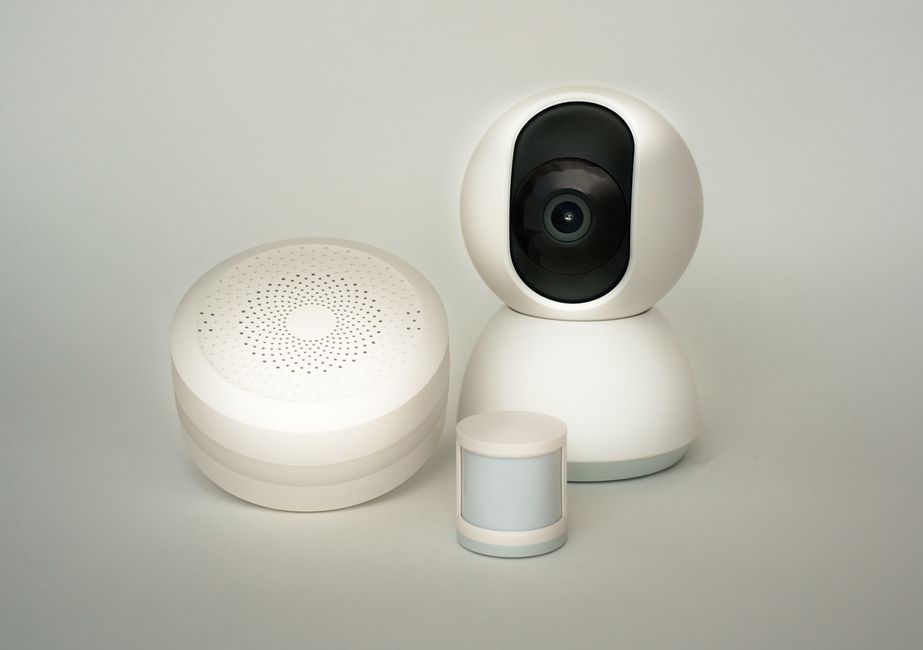
Home security systems are designed to protect your home and belongings from intruders and emergencies. They typically include a combination of alarms, cameras, sensors, and monitoring services. The primary goal is to deter criminal activity and provide peace of mind to homeowners.
Modern systems have evolved significantly, incorporating advanced technologies such as smart home integration, remote access via mobile applications, and even artificial intelligence for enhanced security measures. By understanding the core components and functionalities of these systems, homeowners can make informed decisions about their security needs.
For instance, basic systems might only include door and window sensors, while more comprehensive options may feature video surveillance, motion detectors, and 24/7 monitoring services. The choice ultimately depends on individual preferences and requirements.
Types of Home Security Systems
There are several types of home security systems available in the market today. Understanding these options can help you select the best fit for your home.
1. **Wired Security Systems**: These systems use physical wires to connect all components, including sensors, cameras, and alarms. While they are often seen as more reliable due to their direct connections, installation can be complex and costly.
2. **Wireless Security Systems**: These systems operate using radio frequency signals, making installation easier and more flexible. Homeowners can easily relocate devices without the need for extensive rewiring. However, they may be susceptible to interference and hacking.
3. **DIY Security Systems**: Many companies offer DIY kits that allow homeowners to install their own security systems. These kits typically come with all necessary components and instructions, providing a cost-effective solution for those who prefer a hands-on approach.
4. **Professional Monitoring Systems**: These systems are monitored by professional security companies that respond to alerts and emergencies. This option offers peace of mind, knowing that trained professionals are watching over your property.
Benefits of Installing a Home Security System
Investing in a home security system comes with numerous advantages that can enhance both your safety and overall quality of life.
First and foremost, a home security system acts as a deterrent to potential intruders. Studies have shown that homes equipped with security systems are significantly less likely to be targeted by burglars. The mere presence of visible surveillance cameras or alarm signs can discourage criminal activity.
Additionally, many modern systems offer features such as fire and carbon monoxide monitoring, providing comprehensive protection beyond just burglary. This multi-faceted approach to safety can save lives and protect property from various threats.
Moreover, with the advent of smart home technology, homeowners can now control their security systems remotely through mobile applications. This level of accessibility allows for real-time monitoring and immediate action in case of suspicious activity.
Choosing the Right Home Security System
When selecting a home security system, several factors should be considered to ensure it meets your specific needs.
1. **Assess Your Needs**: Consider the size of your home, the number of entry points, and any specific security concerns you may have. This assessment will help determine the type and number of devices required.
2. **Research Options**: Investigate different brands and models, comparing features, customer reviews, and prices. Look for systems that offer reliable customer support and warranty options.
3. **Installation**: Decide whether you want a DIY system or prefer professional installation. Some systems may require technical expertise, while others are designed for easy setup.
4. **Budget**: Establish a realistic budget that includes not only the initial purchase cost but also ongoing monitoring fees and potential upgrades.
Conclusion
In summary, a home security system is an essential investment for safeguarding your home and loved ones. Understanding the various types of systems, their benefits, and how to choose the right one can empower homeowners to make informed decisions. As technology continues to advance, the options available will only increase, making it easier than ever to protect your sanctuary. Prioritize your safety today by exploring the best solutions available in the market.