
In recent years, the importance of sustainability has permeated various sectors, with architecture being no exception. As climate change and environmental degradation become increasingly pressing issues, a growing number of architects and firms are embracing sustainable practices. This shift not only reflects a commitment to protecting the planet but also meets the rising demand from clients for eco-friendly solutions. But what exactly does it mean to be a sustainable architecture firm, and how are they transforming the landscape of modern architecture?
Understanding Sustainable Architecture
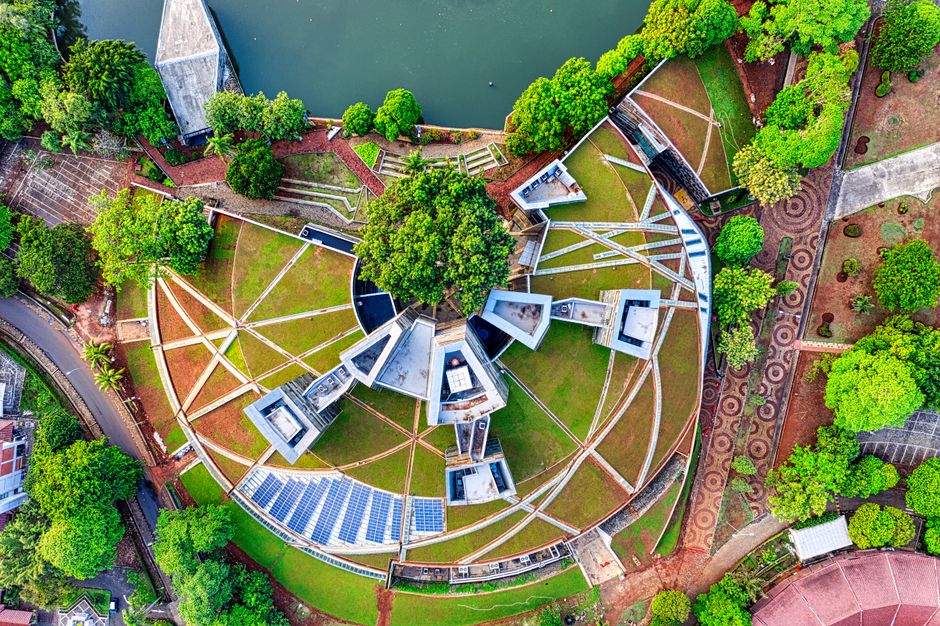
Sustainable architecture refers to the design and construction of buildings that are environmentally responsible and resource-efficient throughout their life cycle. This involves using sustainable materials, minimizing energy consumption, and reducing waste. The goal is to create structures that have a minimal impact on the environment while providing a healthy living and working space for occupants.
One of the key principles of sustainable architecture is the use of renewable resources. For instance, architects often incorporate materials such as bamboo, reclaimed wood, and recycled metal into their designs. These materials not only reduce the demand for new resources but also often come with a lower carbon footprint.
In addition to materials, sustainable architecture emphasizes energy efficiency. This can involve the integration of solar panels, green roofs, and high-performance insulation. By optimizing energy use, buildings can significantly lower their operational costs while contributing to a reduced carbon footprint.
The Role of Technology in Sustainable Architecture
Advancements in technology play a crucial role in the evolution of sustainable architecture. Tools such as Building Information Modeling (BIM) allow architects to create more efficient designs and analyze the environmental impact of their projects before construction begins. This not only saves time and resources but also helps in making informed decisions about materials and processes.
Moreover, smart building technologies are being increasingly integrated into sustainable designs. These technologies can monitor and manage energy use, adjust lighting and temperature based on occupancy, and even recycle water. By harnessing the power of technology, sustainable architecture firms can create buildings that are not just eco-friendly but also highly functional and comfortable for users.
Examples of innovative technology being used include energy management systems that track consumption and provide real-time data to building managers. Such systems help in identifying areas where energy can be saved, further enhancing the sustainability of the building.
Case Studies of Successful Sustainable Architecture Firms
Several firms around the world have made remarkable strides in sustainable architecture, setting benchmarks for others to follow. For instance, the firm Studio Gang is known for its commitment to sustainability, integrating green roofs and rainwater harvesting systems into their designs. Their work on the Aqua Tower in Chicago not only showcases aesthetic appeal but also emphasizes environmental responsibility.
Another notable firm is Gensler, which has undertaken numerous projects focused on sustainability. Their design for the San Francisco International Airport’s Terminal 2 is a prime example, featuring a living roof and energy-efficient systems that have significantly reduced the terminal’s environmental impact.
These examples illustrate how sustainable architecture firms are not only meeting client needs but also contributing positively to the environment. As more projects like these emerge, they pave the way for a greener future in architecture.
Challenges Faced by Sustainable Architecture Firms
Despite the numerous benefits of sustainable architecture, firms often face challenges in implementing eco-friendly practices. One significant hurdle is the initial cost of sustainable materials and technologies. While these investments often pay off in the long run through energy savings, the upfront costs can deter clients.
Additionally, the availability of sustainable materials can vary significantly by region. In some areas, architects may struggle to find the necessary resources to complete their projects in compliance with sustainable standards.
Another challenge lies in the regulatory environment. Building codes and regulations may not always support innovative sustainable designs, leading to potential conflicts between architects and local authorities. This necessitates ongoing advocacy for policies that promote sustainability in the built environment.
The Future of Sustainable Architecture
The future of sustainable architecture looks promising, with increasing awareness of environmental issues driving demand for eco-friendly designs. As more clients prioritize sustainability, firms are likely to invest in research and development to create even more innovative solutions.
Moreover, collaborations between architects, engineers, and environmental scientists are expected to intensify, leading to a more integrated approach to building design. This holistic perspective will allow for the creation of not just individual buildings but entire communities that are sustainable and resilient.
As we move forward, the role of firms that specialize in sustainability will be vital. They will serve as leaders in the architectural field, guiding the industry towards a more environmentally conscious future. By focusing on sustainable practices, these firms can help mitigate the effects of climate change and create a healthier planet for generations to come.
For those interested in exploring the work of a dedicated sustainable architecture firm, you can discover their projects and philosophies at sustainable architecture firm. Their commitment to the environment and innovative design solutions exemplify the future of architecture.