
The luxury fashion industry has undergone significant transformations in recent years, driven by the rise of digital platforms and changing consumer behaviors. One of the most notable trends is the emergence of luxury brand resellers, who play a crucial role in the circular economy of high-end fashion. This article delves into the world of luxury brand reselling, exploring its impact on the market, the motivations behind consumer purchases, and the future of this burgeoning sector.
Understanding the Luxury Brand Reselling Market
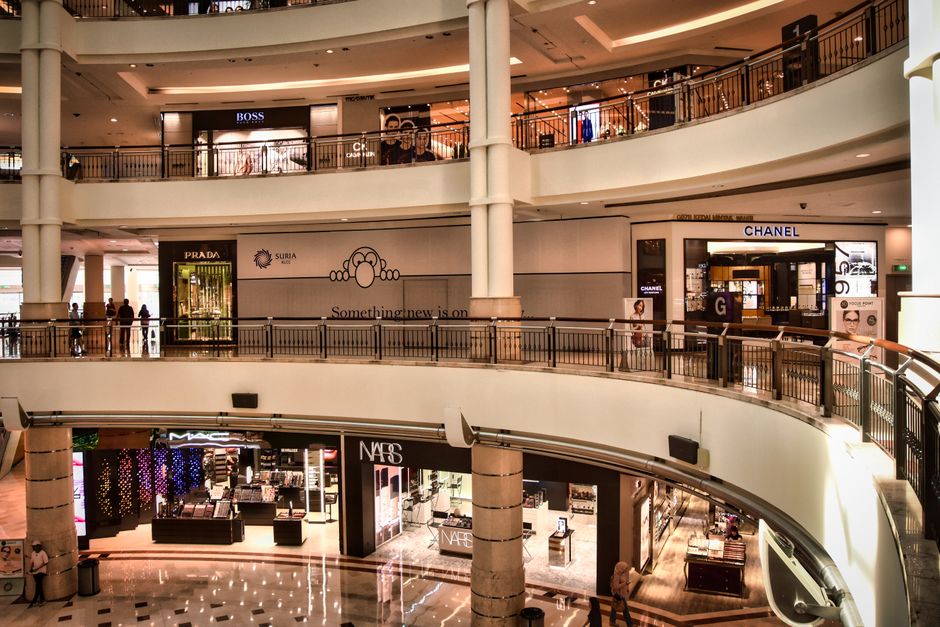
The luxury brand reselling market has exploded in popularity, with reports indicating that the second-hand luxury market is expected to reach $64 billion by 2024. This growth can be attributed to various factors, including sustainability concerns and the desire for exclusive items at more accessible prices. Resellers often cater to consumers looking for investment pieces or unique finds that are no longer available at retail stores.
Resellers operate through various platforms, both online and offline, allowing them to reach a wider audience. Websites like The RealReal and Poshmark have gained traction, offering a curated selection of luxury goods. These platforms not only make it easier for consumers to buy and sell luxury items but also provide authentication services, ensuring that buyers receive genuine products.
The Consumer Psychology Behind Reselling
Understanding the motivations behind consumer purchases in the luxury resale market is essential. Many consumers are driven by the desire for sustainability, as buying second-hand is often viewed as an eco-friendly choice. Additionally, the exclusivity of luxury items can create a sense of urgency among buyers, leading to quicker purchasing decisions.
According to a survey, 70% of consumers consider sustainability an essential factor when making luxury purchases. This shift in consumer behavior has prompted brands to rethink their strategies, with some even collaborating with resellers to create sustainable collections. The luxury brand reseller not only meets consumer demands but also contributes to reducing waste in the fashion industry.
Challenges Faced by Luxury Brand Resellers
While the luxury brand reselling market presents numerous opportunities, it also comes with its challenges. One of the significant hurdles is the issue of authenticity. With the increase in counterfeit products, resellers must invest in robust authentication processes to maintain their credibility and protect consumers.
Additionally, competition in the market is fierce. Established luxury brands are now entering the resale space, creating direct competition for independent resellers. As brands like Gucci and Prada launch their resale initiatives, resellers must find ways to differentiate themselves, whether through unique offerings or exceptional customer service.
Future Trends in Luxury Reselling
The future of luxury brand reselling looks promising, with several emerging trends likely to shape the industry. One trend is the integration of technology, such as artificial intelligence and blockchain, to enhance authentication processes and improve customer experiences. These technologies can streamline operations, allowing resellers to focus on building relationships with customers.
Moreover, the rise of social media influencers plays a significant role in promoting luxury reselling. Influencers can introduce luxury resale items to their followers, increasing awareness and demand. As consumers become more accustomed to the idea of buying pre-owned luxury goods, the stigma associated with second-hand shopping is likely to diminish.
Conclusion: Embracing the Shift in Luxury Consumption
The luxury brand reseller market is not merely a trend; it represents a fundamental shift in how consumers approach luxury consumption. As sustainability becomes a priority and consumers seek unique items, the role of resellers will only continue to grow. For those looking to explore this dynamic market, platforms like luxury brand reseller services provide valuable opportunities to connect with both buyers and sellers in the ever-evolving landscape of luxury fashion.