
In recent years, esports has transformed from a niche hobby into a global phenomenon, attracting millions of fans and participants alike. As this competitive landscape grows, so does the opportunity for businesses to engage with this vibrant community through sponsorship. This article explores the dynamics of esports team sponsorship, its benefits, challenges, and how it shapes the future of competitive gaming.
Understanding Esports and Its Popularity
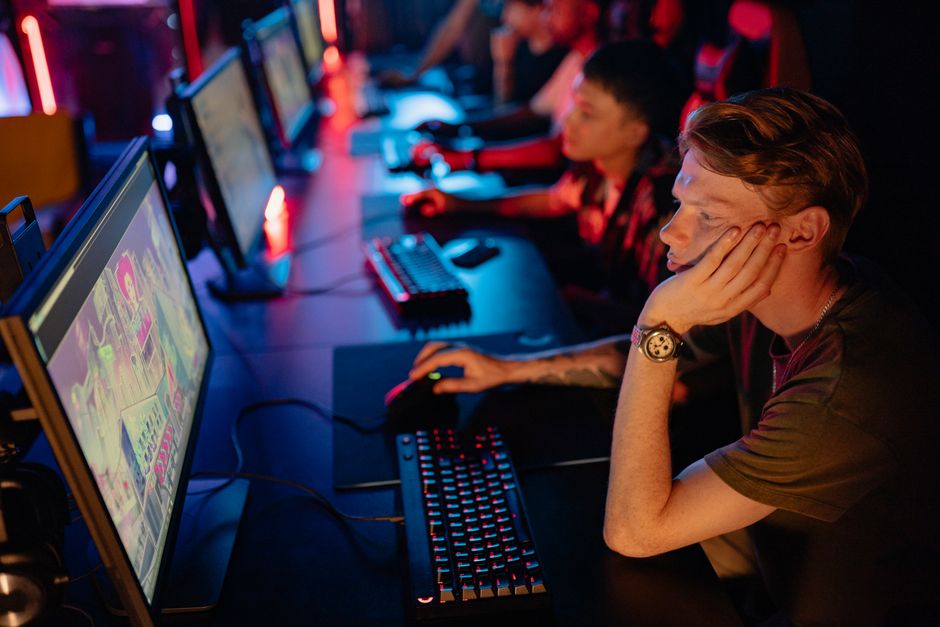
Esports, or electronic sports, refers to organized, multiplayer video game competitions, often between professional players, individually or as teams. The rise of high-speed internet, streaming platforms like Twitch, and an increase in mobile gaming have significantly contributed to the growth of esports. According to Newzoo, the global esports market is projected to surpass $1 billion in revenue by 2023, a clear indication of its burgeoning popularity.
This growth is fueled not only by the number of players but also by the increasing viewership. Major tournaments draw in audiences comparable to traditional sports events, with millions tuning in live. Brands are recognizing this potential and are eager to tap into the engaged fan base, making esports team sponsorship an attractive investment.
The Benefits of Sponsoring an Esports Team
Esports team sponsorship offers numerous advantages for brands looking to enhance their visibility and connect with a younger demographic. First and foremost, it provides direct access to a diverse audience that is highly engaged and passionate about gaming. Unlike traditional advertising methods, sponsorship allows brands to integrate themselves into the gaming experience, making their presence more organic and appealing.
Moreover, sponsoring a team can significantly enhance brand reputation. Associating with successful esports teams can lend credibility and foster positive brand associations. This is especially important as younger consumers tend to favor brands that align with their interests and values. For example, brands like Red Bull and Intel have successfully positioned themselves within the esports community, significantly boosting their brand image.
Additionally, esports sponsorship can lead to unique marketing opportunities. Brands can leverage in-game advertising, exclusive content, and even co-branded merchandise to maximize their reach. By sponsoring teams, companies can create memorable experiences for fans, further solidifying their presence in the market.
Challenges in Esports Team Sponsorship
Despite the many benefits, brands must also navigate several challenges when considering esports team sponsorship. One of the primary concerns is the volatility of the esports scene. The landscape is constantly changing, with new teams, games, and trends emerging rapidly. Brands must stay informed and adaptable to ensure their sponsorship remains relevant.
Another challenge is the potential for negative publicity. The gaming community is vocal and passionate, which means that any misstep by a sponsored team can reflect poorly on the associated brand. For example, if a player gets involved in a controversy or if a team performs poorly, it can lead to public backlash. Brands must therefore conduct thorough research and due diligence before entering into sponsorship agreements.
Furthermore, measuring the return on investment (ROI) for esports sponsorship can be complex. Unlike traditional sports, where metrics like viewership and ticket sales are easily quantifiable, the esports audience is more fragmented. Brands need to develop innovative strategies to track engagement and effectiveness, which can require additional resources and expertise.
Successful Examples of Esports Sponsorships
Several brands have effectively utilized esports team sponsorship to enhance their market presence. One notable example is Coca-Cola, which has partnered with various esports leagues and teams to create immersive marketing campaigns. Their campaigns often include interactive elements that engage fans both online and offline, making Coca-Cola a recognizable name within the esports community.
Another successful case is the partnership between Team SoloMid (TSM) and various tech companies. TSM has collaborated with brands like Logitech and ASUS, which not only provide financial support but also equip the team with cutting-edge technology. This kind of synergy benefits both parties, as TSM gains access to high-quality equipment, while the brands gain visibility among dedicated fans.
Additionally, companies like Adidas have also entered the esports arena, sponsoring teams and events to capture the attention of the gaming demographic. These partnerships have proven effective in driving brand awareness and loyalty, showcasing the potential of esports sponsorships.
The Future of Esports Team Sponsorship
As esports continues to evolve, so will the landscape of team sponsorship. We are likely to see more brands entering the space, eager to connect with the growing audience. The future will also bring more innovative sponsorship models, enabling brands to engage with fans in unique ways.
Moreover, as the industry matures, there will be an increasing emphasis on data-driven strategies for measuring sponsorship effectiveness. Brands will leverage analytics to track engagement metrics, ensuring a better understanding of their ROI.
Lastly, with the rise of virtual reality and augmented reality in gaming, sponsorship opportunities will expand even further. Brands that adapt to these technological advancements will find themselves at the forefront of the esports revolution.
Conclusion
Esports team sponsorship is not just a passing trend; it represents a significant shift in how brands engage with younger audiences. With its immense potential for visibility and engagement, esports sponsorship offers a unique opportunity for brands willing to invest in this vibrant community. By understanding the dynamics of the esports landscape and navigating its challenges, brands can create meaningful connections with fans, ensuring long-term success in this competitive arena. For those looking to explore the possibilities, exploring esports team sponsorship can be a game-changing decision.