
Sheet metal fabrication is a crucial process in various industries, from automotive to aerospace. This method involves cutting, shaping, and assembling metal sheets into functional components. Understanding the intricacies of sheet metal fabrication can help businesses optimize their manufacturing processes, reduce costs, and improve product quality.
What is Sheet Metal Fabrication?
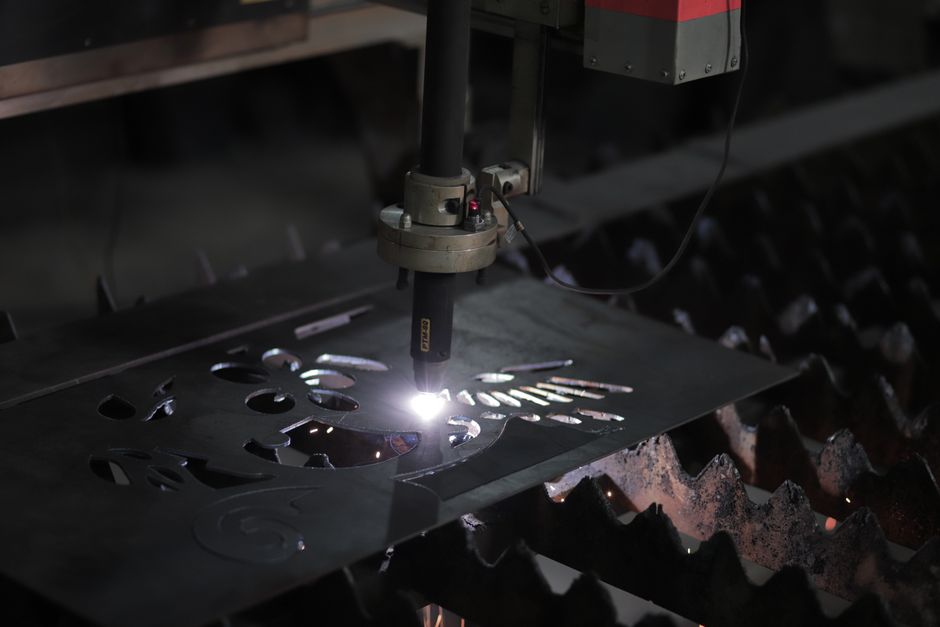
Sheet metal fabrication refers to the process of transforming flat metal sheets into specific shapes or structures through various techniques. These techniques may include cutting, bending, and welding. The materials commonly used are aluminum, steel, copper, and brass, each offering unique properties suitable for different applications.
The fabrication process begins with the design stage, where engineers create detailed drawings using CAD software. This is crucial as it ensures precision in the final product. Once the design is approved, the metal sheets are cut to size using tools such as laser cutters or water jets. After cutting, the sheets undergo bending and forming processes to achieve the desired shape.
Benefits of Sheet Metal Fabrication
One of the significant advantages of sheet metal fabrication is its versatility. It can be used to create a wide range of products, from simple brackets to complex machinery parts. Moreover, sheet metal fabrication is known for its strength-to-weight ratio, making it ideal for various applications where durability is essential without adding excessive weight.
Additionally, this process allows for high levels of customization. Businesses can produce small batches of unique parts or large quantities of standardized components efficiently. The ability to use modern CNC machinery further enhances accuracy and repeatability in production.
Common Techniques Used in Sheet Metal Fabrication
Several techniques are employed in the sheet metal fabrication process. Cutting is one of the primary methods, and it can be achieved through various means such as shearing, laser cutting, or plasma cutting. Each method has its advantages, with laser cutting providing high precision and clean edges.
After cutting, bending is another crucial step. This process involves deforming the sheet metal to create angles or curves. Equipment such as press brakes is commonly used for this purpose. Finally, welding is used to join different pieces together, ensuring the final product’s integrity and strength.
Applications of Sheet Metal Fabrication
Sheet metal fabrication finds applications across a multitude of industries. In the automotive sector, it is used to manufacture vehicle body parts, chassis, and various components that require high strength and lightweight characteristics. In the aerospace industry, fabricated metal parts are critical for aircraft structures, ensuring safety and performance.
Moreover, the construction industry utilizes sheet metal for roofing, siding, and ductwork. The HVAC systems rely heavily on fabricated sheet metal components to ensure efficient airflow and temperature control. As technology advances, the demand for precision-engineered sheet metal parts continues to grow, making this fabrication process more critical than ever.
Challenges in Sheet Metal Fabrication
Despite its many benefits, sheet metal fabrication is not without its challenges. One significant issue is material waste during the cutting process. To minimize waste, manufacturers must optimize their cutting patterns and techniques. Additionally, maintaining consistent quality can be challenging, particularly when dealing with variations in material thickness or type.
Another challenge is the need for skilled labor. While automation has improved efficiency, the expertise of skilled workers remains essential for tasks such as welding and quality control. Companies must invest in training and development to ensure their workforce is equipped with the necessary skills.
To address these challenges, many businesses are adopting advanced technologies such as automation and robotics. These innovations help streamline the fabrication process, reduce waste, and improve overall efficiency.
Conclusion
In conclusion, sheet metal fabrication is a vital process that plays a significant role in numerous industries. From its versatility and strength to its wide range of applications, understanding the fundamentals of this process is essential for businesses looking to enhance their manufacturing capabilities. By leveraging modern technologies and techniques, companies can optimize their sheet metal fabrication processes, reduce costs, and improve product quality. For more detailed information on the subject, you can explore sheet metal fabrication and its various aspects.