
Septic tanks are a crucial aspect of many residential and commercial properties, especially in areas not connected to municipal sewage systems. Regular maintenance and cleaning of septic tanks are vital to ensure their efficient operation and to prevent costly repairs. In this comprehensive guide, we will explore the importance of septic tank cleaning, the signs that indicate a need for cleaning, the cleaning process itself, and tips for maintaining a healthy septic system.
Understanding Septic Tanks
A septic tank is an underground chamber made of concrete, fiberglass, or plastic, designed to treat wastewater from a household. Wastewater flows into the tank, where solids settle at the bottom, and lighter materials such as grease float to the top. The middle layer, which consists of partially treated water, is then discharged into a drain field for further filtration into the soil.
Many homeowners underestimate the importance of properly maintaining their septic systems. Neglecting septic tank cleaning can lead to severe issues, including unpleasant odors, slow drains, and even system failures. According to the Environmental Protection Agency (EPA), septic systems can last for decades if properly maintained, but regular cleaning is a vital part of that maintenance.
Signs Your Septic Tank Needs Cleaning
Recognizing the signs that your septic tank requires cleaning is essential for preventing more significant problems. One of the most common indicators is the presence of foul odors around the tank or drain field. Additionally, if you notice that water is pooling in your yard or if your drains are slow, it may be time to consider a septic tank cleaning.
Another significant sign is the presence of sewage backups in your home. This issue often arises when the tank is full and cannot accommodate additional waste. Homeowners should also be aware of any unusual green patches of grass above the septic drain field, as this can indicate over-saturation due to a malfunctioning system.
The Septic Tank Cleaning Process
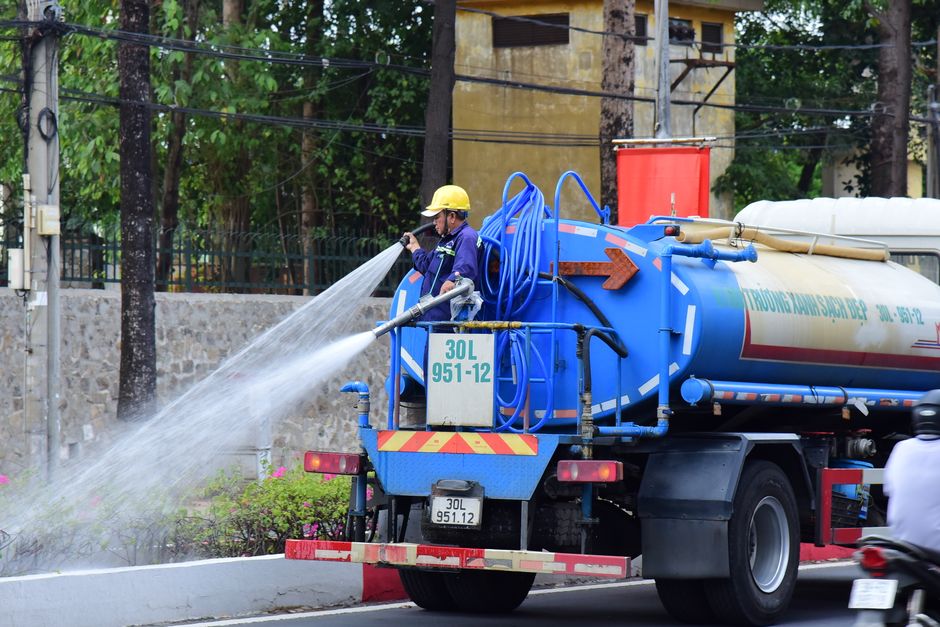
Septic tank cleaning typically involves pumping out the accumulated solids and sludge from the tank. This process is usually performed by a professional septic service. The first step is to locate the tank’s access point, which can usually be found in the yard. The technician will then use a vacuum truck to pump out the contents of the tank.
After pumping, the technician will inspect the tank for any damage or issues. It is also essential to check the effluent filter, which can become clogged and require cleaning or replacement. Regular cleaning should be done every 3 to 5 years, depending on the size of the tank and the number of people in the household.
Maintaining Your Septic System
In addition to regular cleaning, homeowners should consider implementing routine maintenance to prolong the life of their septic systems. One crucial aspect of septic maintenance is being mindful of what goes down the drain. Avoid flushing non-biodegradable items, chemicals, and excessive grease, as these can disrupt the natural processes that occur in the tank.
Another effective maintenance strategy is to plant grass or other shallow-rooted vegetation over the drain field. This can help absorb excess moisture and prevent soil erosion. Additionally, it’s important to avoid parking vehicles or placing heavy objects over the septic tank and drain field, as this can damage the system.
Conclusion
Septic tank cleaning is an essential part of maintaining a healthy and efficient septic system. By understanding the importance of regular cleaning, recognizing the signs that indicate a need for service, and implementing proper maintenance practices, homeowners can avoid costly repairs and ensure the longevity of their septic systems. Remember, a well-maintained septic system not only protects your property but also contributes to a healthier environment.