
In today’s fast-paced manufacturing environment, precision and efficiency are paramount. CNC machining services have become a cornerstone of modern production, allowing businesses to create intricate parts with unmatched accuracy. This technology not only streamlines the manufacturing process but also enhances product quality and reduces production time. In this article, we will explore the various aspects of CNC machining services, including their benefits, applications, and the future of this technology in the manufacturing sector.
Understanding CNC Machining
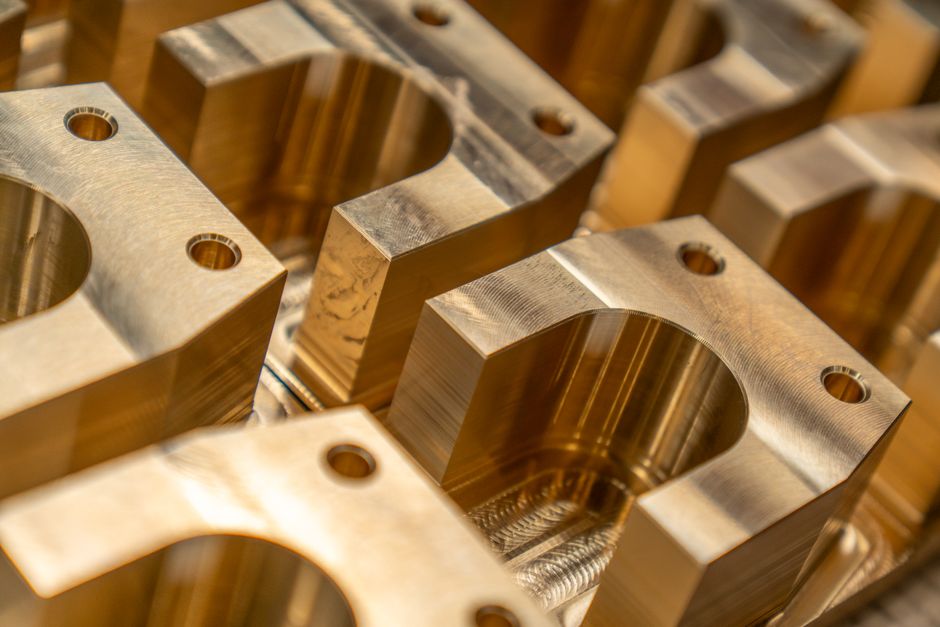
CNC, or Computer Numerical Control, machining refers to the automated process of using computer software to control machine tools. This technology revolutionizes traditional machining by allowing for greater precision and consistency. Unlike manual machining, which is prone to human error, CNC machines operate on precise programming, leading to higher quality outputs. The process involves designing a 3D model using CAD (Computer-Aided Design) software, which is then translated into a format that CNC machines can interpret.
One of the key advantages of CNC machining is its ability to produce complex geometries that would be impossible or extremely time-consuming to achieve with traditional methods. This capability makes CNC machining an ideal choice for industries such as aerospace, automotive, and medical devices, where precision is critical.
The Benefits of CNC Machining Services
The adoption of CNC machining services offers numerous benefits to manufacturers. Firstly, the level of precision achieved through CNC machining is significantly higher than that of manual methods. For instance, tolerances can be maintained within ±0.01 mm, ensuring that parts fit together perfectly, which is crucial for high-performance applications.
Additionally, CNC machining services can significantly reduce production times. While traditional machining may require multiple setups and manual adjustments, CNC machines can operate continuously, producing parts with minimal downtime. This efficiency not only speeds up production but also lowers labor costs, making it a cost-effective solution for businesses.
Furthermore, CNC machining services allow for greater flexibility in design modifications. If there’s a need to change a part’s specifications, the software can be easily updated, and the machine can be reprogrammed quickly, minimizing disruptions in the production cycle.
Applications of CNC Machining
CNC machining services find applications across various industries. In the aerospace sector, for example, CNC machines are used to create components with high strength-to-weight ratios, essential for aircraft performance. The automotive industry also relies heavily on CNC machining for producing engine components, transmission parts, and custom modifications.
In the medical field, CNC machining services are employed to manufacture surgical instruments and prosthetics, which require a high degree of precision and customization. Additionally, the electronics industry utilizes CNC machining for creating circuit boards and housings, where intricate designs are essential for functionality.
Overall, the versatility of CNC machining makes it a preferred choice for any industry that values precision and efficiency. By leveraging these services, companies can stay competitive and meet the ever-evolving demands of the market.
The Future of CNC Machining Services
As technology continues to advance, the future of CNC machining services looks promising. Innovations such as additive manufacturing (3D printing) are beginning to integrate with CNC technology, resulting in hybrid machines that can expand capabilities even further. These developments are poised to create new opportunities in manufacturing, allowing for even more complex geometries and materials to be utilized.
Moreover, the incorporation of artificial intelligence and machine learning into CNC machining processes is expected to enhance automation, making operations more efficient and reducing the likelihood of errors. Predictive maintenance powered by AI can also minimize downtime by anticipating equipment failures before they occur, thus extending the lifespan of CNC machines.
In conclusion, CNC machining services are fundamentally transforming the landscape of manufacturing. As businesses continue to demand higher precision and efficiency, the role of CNC machining will only become more critical. Companies looking to enhance their production capabilities should consider investing in CNC machining services to stay ahead in a competitive market.
CNC machining service is not just a trend; it’s a pathway to innovation in manufacturing.