
As the global population continues to rise, traditional farming methods are increasingly being challenged to meet the demand for food. In this context, vertical farming technology emerges as a promising solution. By utilizing urban spaces and advanced agricultural techniques, vertical farms offer a sustainable, efficient alternative to conventional agriculture. This article explores the various aspects of vertical farming technology, including its benefits, challenges, and future potential.
Understanding Vertical Farming Technology
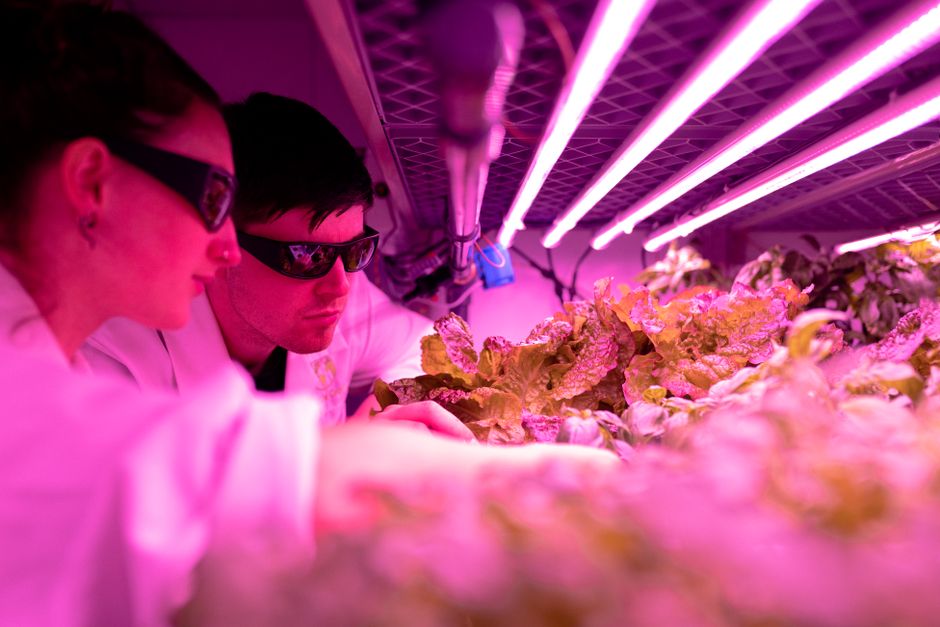
Vertical farming refers to the practice of growing crops in vertically stacked layers or on vertically inclined surfaces. This innovative agricultural method often incorporates controlled-environment agriculture (CEA) technology, which allows for precise control over environmental factors such as temperature, humidity, and light. The integration of vertical farming technology with hydroponics, aeroponics, or aquaponics can significantly enhance crop yields while minimizing land use.
The concept of vertical farming is not entirely new; however, advancements in technology have made it more feasible and attractive. Innovations in LED lighting, sensors, and automation have significantly reduced operational costs and improved crop growth rates. With the ability to produce food in urban settings, vertical farms can reduce transportation costs and carbon emissions, further contributing to sustainability.
The Benefits of Vertical Farming
One of the most significant advantages of vertical farming is its ability to produce food in locations that were previously unsuitable for agriculture. Urban areas, where space is limited, can greatly benefit from this technology. Vertical farms can be placed in repurposed buildings, warehouses, or even shipping containers, turning unused spaces into productive agricultural sites.
Furthermore, vertical farming technology allows for year-round crop production, independent of seasonal changes. By controlling environmental conditions, farmers can optimize growth cycles, leading to multiple harvests per year. This capability is particularly crucial in regions with extreme weather or limited arable land.
Additionally, vertical farming can lead to a reduction in water usage. Traditional farming methods often require vast amounts of water, but vertical farms can utilize recirculating water systems that minimize waste. Studies have shown that vertical farms can use up to 90% less water than conventional farms, making them an attractive option for water-scarce regions.
Challenges Facing Vertical Farming
Despite its many benefits, vertical farming technology does face several challenges. One of the primary obstacles is the high initial setup cost. The technology and infrastructure required to establish a vertical farm can be substantial, making it a significant investment for potential operators.
Moreover, the energy consumption associated with vertical farming can be a concern. While advancements in energy-efficient systems are being made, the reliance on artificial lighting and climate control can lead to high electricity costs. Finding sustainable energy sources is crucial for the long-term viability of vertical farming.
Another challenge is the need for skilled labor. Operating a vertical farm requires knowledge in various fields, including horticulture, engineering, and technology. Investing in training and education for workers in this sector is essential to ensure successful operations.
The Future of Vertical Farming
Looking ahead, the future of vertical farming appears promising. As technology continues to evolve, vertical farms are expected to become more efficient and accessible. Innovations such as artificial intelligence and machine learning will likely play a significant role in optimizing farm operations, predicting crop yields, and managing resources.
Furthermore, the increasing awareness of sustainability and the environmental impact of traditional farming practices will drive demand for vertical farming solutions. Urban planners and policymakers are beginning to recognize the potential of vertical farms as a means to achieve food security and promote sustainable practices.
As consumer preferences shift towards locally sourced and organic produce, vertical farms can meet this demand by providing fresh, pesticide-free crops. By integrating vertical farming into urban environments, cities can enhance food accessibility and promote healthier lifestyles.
Conclusion
Vertical farming technology represents a revolutionary shift in the way we approach agriculture. By overcoming the challenges of traditional farming methods, vertical farms offer a sustainable, efficient solution to food production in an increasingly urbanized world. As the technology continues to advance and gain traction, vertical farming has the potential to play a crucial role in feeding the growing global population while minimizing environmental impact.