
In an era where sustainable practices are more crucial than ever, irrigation systems stand at the forefront of agricultural innovation. These systems are essential for optimizing water usage, supporting crop growth, and enhancing food security globally. This article delves into the various types of irrigation systems, their benefits, challenges, and future trends, all while emphasizing the importance of efficient water management in agriculture.
Understanding Irrigation Systems
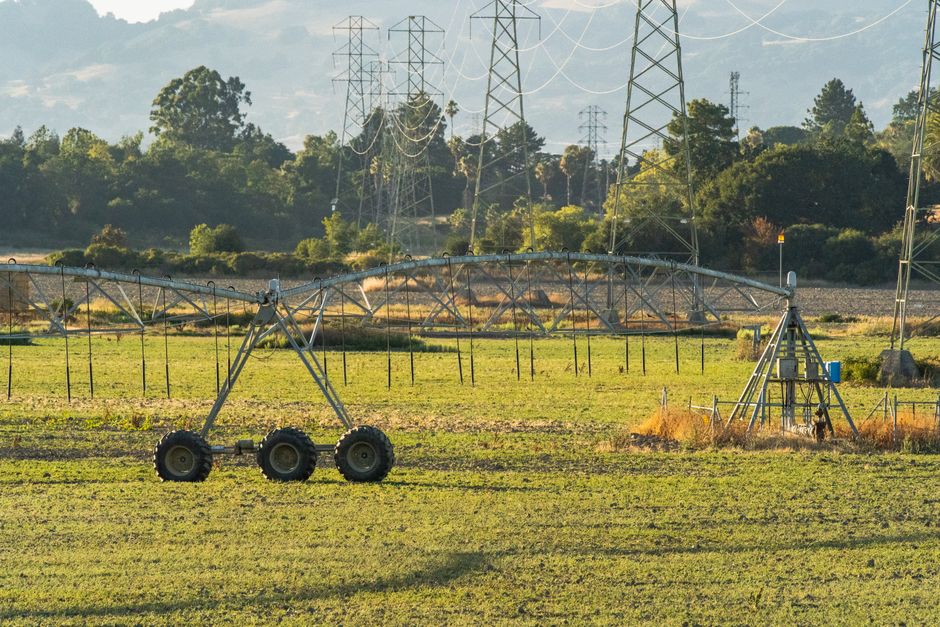
Irrigation systems encompass a range of techniques used to supply water to crops in a controlled manner. From traditional methods like surface irrigation to advanced technologies such as drip and sprinkler systems, the choice of irrigation method can significantly impact crop yield and resource conservation. In fact, according to the Food and Agriculture Organization (FAO), approximately 20% of cultivated land is irrigated, contributing to about 40% of global food production.
Surface irrigation, one of the oldest techniques, involves the direct application of water to the soil surface, allowing it to infiltrate. This method is often labor-intensive and can lead to water wastage if not managed properly. On the other hand, modern techniques such as drip irrigation deliver water directly to the plant roots, minimizing evaporation and runoff. By using an irrigation system that fits the specific needs of their crops, farmers can optimize water usage and improve crop yield significantly.
Benefits of Modern Irrigation Techniques
Adopting modern irrigation techniques offers a multitude of benefits. Firstly, they enhance water-use efficiency. For example, drip irrigation systems can reduce water use by up to 60% compared to traditional methods. This is particularly vital in regions facing water scarcity, where every drop counts.
Furthermore, advanced irrigation systems can lead to improved crop quality and yield. A study conducted by the International Water Management Institute (IWMI) found that farmers who implemented drip irrigation observed a 30-50% increase in crop yields. This not only boosts the farmers’ income but also contributes to greater food security in their communities.
Additionally, modern irrigation technologies can be integrated with smart technology, allowing for real-time monitoring and adjustments. This integration can help farmers make informed decisions based on weather forecasts, soil moisture levels, and crop needs, leading to more sustainable farming practices.
Challenges in Implementing Irrigation Systems
Despite the clear advantages, there are challenges associated with implementing modern irrigation systems. The initial cost of installation can be prohibitive for many smallholder farmers. For instance, the average cost of installing a drip irrigation system can range from $1,000 to $5,000 per hectare, depending on the complexity of the system.
Moreover, there is a need for training and education on the maintenance and operation of these systems. Without proper knowledge, farmers may struggle to maximize the benefits of their irrigation investments. Additionally, there can be environmental concerns, such as over-extraction of groundwater, which can lead to depletion of local water resources.
The Future of Irrigation Systems
The future of irrigation systems looks promising, with ongoing advancements in technology and techniques. Innovations such as automated irrigation systems powered by artificial intelligence are beginning to emerge. These systems can analyze data and make real-time adjustments to water delivery, further enhancing efficiency and reducing waste.
Moreover, the integration of renewable energy sources, such as solar power, into irrigation systems is gaining traction. This not only reduces the carbon footprint but also lowers operational costs for farmers. For instance, solar-powered pumps can provide a sustainable and cost-effective solution for powering irrigation systems in remote areas.
Additionally, the push for sustainable agriculture is likely to drive further research and development in irrigation technology. As global populations continue to grow and climate change impacts water availability, the need for efficient irrigation systems will become increasingly critical.
Conclusion
Irrigation systems play a vital role in modern agriculture, influencing crop yield, resource management, and sustainability. By understanding the types, benefits, and challenges of various irrigation systems, farmers can make informed decisions that enhance their productivity and contribute to global food security. As technology continues to evolve, the future of irrigation practices promises to be more efficient, sustainable, and accessible, paving the way for a new era in agriculture.