
The rise of aerial drone photography has transformed how we capture and experience the world around us. With advancements in technology and the decreasing costs of drones, photographers, filmmakers, and even everyday users are leveraging this innovative medium to create stunning visual narratives. This article delves into the techniques, benefits, and applications of aerial photography, showcasing its growing importance in various fields.
Understanding Aerial Drone Photography
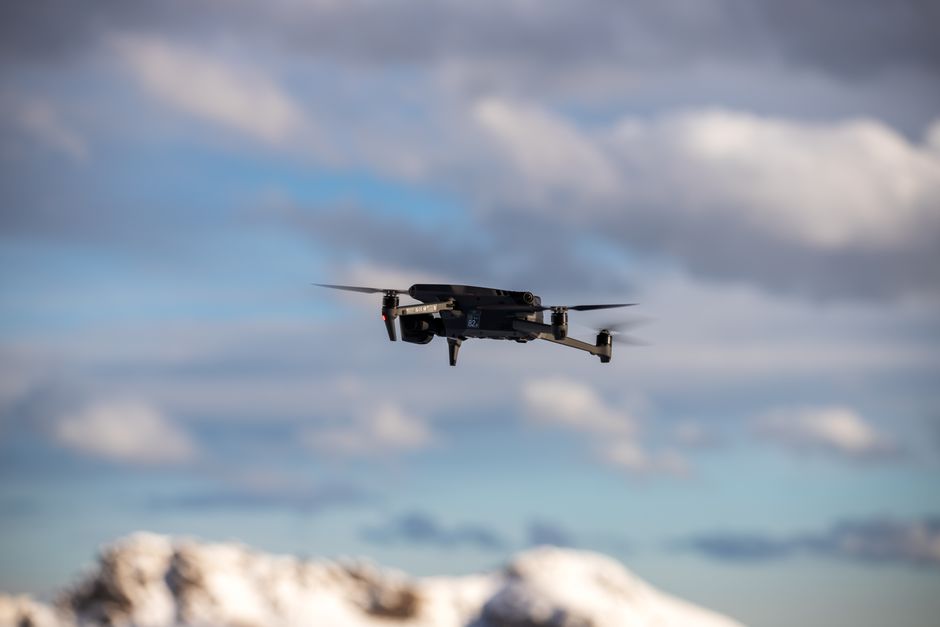
Aerial drone photography involves capturing images and videos from an elevated perspective using unmanned aerial vehicles (UAVs). Drones equipped with high-resolution cameras can fly at different altitudes, allowing photographers to shoot from angles that were previously difficult or impossible to achieve. This technology not only enhances creativity but also provides unique opportunities for storytelling.
Historically, aerial photography was limited to expensive equipment and specialized training. However, with the introduction of consumer-friendly drones, this art form has become accessible to a wider audience. According to a report by the Federal Aviation Administration (FAA), the number of registered drones in the United States alone reached over 1.5 million in 2020, indicating a significant increase in public interest and usage.
One of the key benefits of aerial drone photography is the ability to capture expansive landscapes and intricate details in a single frame. For instance, real estate agents utilize aerial shots to showcase properties from a bird’s-eye view, providing potential buyers with a comprehensive understanding of the property’s surroundings. Moreover, aerial photography can reveal patterns and features that may not be visible from ground level, adding depth to any visual project.
Techniques for Capturing Stunning Aerial Imagery
To achieve breathtaking aerial photographs, photographers must consider several techniques. Firstly, understanding the drone’s capabilities, such as flight time, camera settings, and stabilization features, is crucial. For example, many drones come equipped with gimbals, which help stabilize the camera during flight, resulting in smoother footage and sharper images.
Lighting is another vital aspect of aerial photography. The golden hour, which occurs shortly after sunrise or before sunset, provides soft, diffused light that enhances colors and reduces harsh shadows. Photographers should also experiment with different altitudes and angles to find the most striking compositions. Utilizing the rule of thirds can help create balanced and engaging images that draw the viewer’s eye.
Post-processing plays a significant role in elevating aerial photographs. Software like Adobe Lightroom and Photoshop allow photographers to enhance colors, adjust exposure, and apply filters for a more polished final product. Additionally, incorporating aerial drone photography into a broader visual storytelling context, such as documentaries or promotional videos, can further amplify its impact.
Applications of Aerial Drone Photography
The versatility of aerial drone photography has led to its adoption across various industries. In real estate, agents use aerial shots to highlight property features and surrounding neighborhoods. This approach not only attracts potential buyers but also sets listings apart in a competitive market.
In the field of environmental monitoring, aerial photography assists researchers and conservationists in assessing changes in landscapes, tracking wildlife, and monitoring natural disasters. For instance, drones can be utilized to survey areas affected by wildfires, providing essential data for recovery efforts.
Additionally, industries such as agriculture have begun to embrace aerial drone photography for crop monitoring and management. Drones equipped with multispectral cameras can capture data on plant health, soil conditions, and crop yields, enabling farmers to make informed decisions that enhance productivity.
The Future of Aerial Drone Photography
As technology continues to advance, the future of aerial drone photography looks promising. Innovations such as improved battery life, enhanced camera technology, and AI integration are likely to expand the creative possibilities for photographers. Furthermore, with the proliferation of 5G technology, drones will be able to transmit high-quality images and videos in real-time, opening new avenues for live broadcasting and remote operations.
However, with these advancements come challenges, particularly concerning regulations and safety. As drone usage becomes more widespread, governments are implementing stricter guidelines to ensure safe operations and protect privacy. Photographers and drone operators must stay informed about local laws and best practices to navigate these complexities.
In conclusion, aerial drone photography is revolutionizing how we capture and interact with our environment. As this technology becomes more accessible and its applications continue to grow, it is essential for photographers to embrace the opportunities it presents while remaining mindful of the associated responsibilities. The world of aerial photography is vast and continuously evolving, inviting both amateurs and professionals to explore its potential.