
Bedbugs have become a significant nuisance in many households, causing discomfort and anxiety for those affected. These tiny pests are notoriously difficult to eliminate, which makes understanding effective extermination methods essential. In this article, we will explore various strategies for bedbug extermination, detailing the signs of infestation, prevention techniques, and professional treatment options.
Identifying Bedbug Infestations
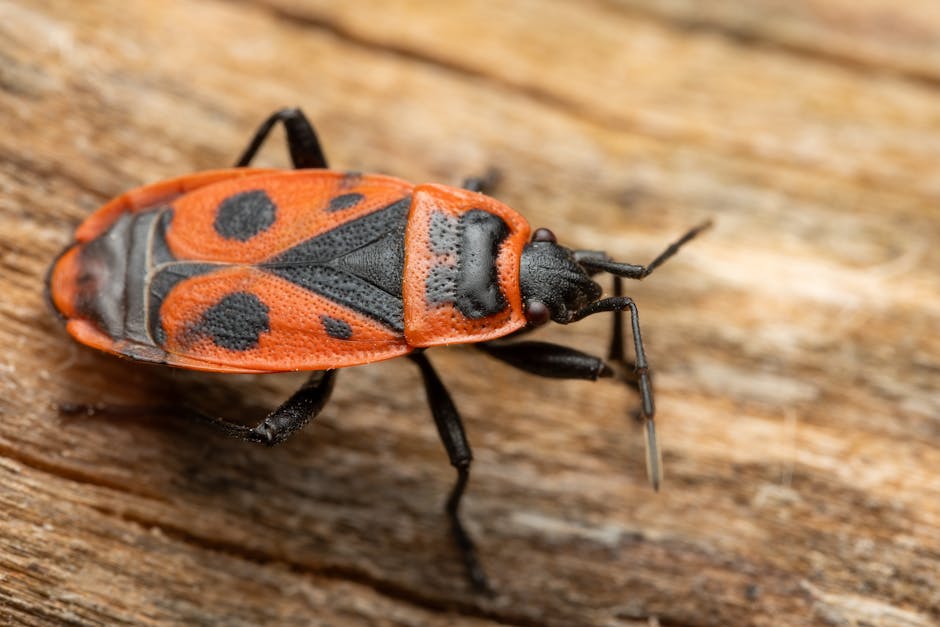
Recognizing a bedbug infestation early is crucial for effective extermination. Bedbugs are small, brownish insects that feed on the blood of humans and animals. Common signs of an infestation include:
– **Bite Marks**: Red, itchy welts on the skin, often appearing in a line or cluster.
– **Fecal Stains**: Small, dark spots on bedding or furniture, which are the remnants of bedbug excrement.
– **Shed Skins**: Bedbugs molt several times, leaving behind their exoskeletons.
It is important to inspect areas such as mattresses, box springs, and furniture for these signs. If you suspect a bedbug problem, taking immediate action is vital to prevent the situation from worsening.
Prevention Techniques
Preventing bedbug infestations is often more manageable than exterminating them once they establish themselves. Here are some effective prevention techniques:
– **Regular Cleaning**: Frequent vacuuming and dusting can help remove potential hiding spots for bedbugs.
– **Sealing Cracks and Crevices**: Caulking and sealing any gaps in walls, floors, and furniture can limit bedbug access to your home.
– **Protective Covers**: Using bedbug-proof mattress and pillow covers can reduce the risk of infestation.
Additionally, being cautious when traveling is essential. Inspect hotel rooms for signs of bedbugs and keep luggage off the floor and away from beds.
DIY Bedbug Extermination Methods
While professional extermination services are often the most effective option, several DIY methods can help manage a bedbug problem:
– **Heat Treatment**: Bedbugs cannot survive high temperatures. Washing infested bedding and clothing in hot water and drying them on high heat can kill bedbugs and their eggs.
– **Cold Treatment**: Conversely, exposing bedbugs to freezing temperatures for an extended period can also be effective. Items can be placed in a freezer for at least four days to eliminate pests.
– **Natural Remedies**: Some people have reported success using essential oils such as tea tree oil or lavender, which can repel bedbugs. However, these methods may not be as reliable as professional treatments.
When to Call a Professional
In many cases, professional extermination is the best solution for a bedbug infestation. Pest control experts have access to specialized tools and treatments that can effectively eliminate bedbugs. Signs that it’s time to call a professional include:
– **Severe Infestation**: If you notice a significant number of bedbugs or their signs, professional help may be necessary.
– **Ineffective DIY Methods**: If your attempts to manage the problem have not worked, it’s time to consult an expert.
– **Health Concerns**: Bedbug bites can lead to secondary infections due to scratching. If you experience allergic reactions or significant discomfort, a professional can provide a comprehensive treatment plan.
One effective option to consider is bed bug treatment services that specialize in thorough extermination.
Conclusion
Bedbug extermination requires a multifaceted approach that includes identification, prevention, and treatment. By understanding the signs of infestation and employing effective strategies, homeowners can combat these pests before they become a significant issue. Whether opting for DIY methods or enlisting the help of professionals, prompt action is key to regaining comfort and peace of mind in your home.