
The children’s toy industry has undergone a significant transformation over the past few decades, driven by innovation, technology, and changing consumer preferences. As children’s needs and interests evolve, so do the manufacturers who cater to them. This article explores the current landscape of children toy manufacturers, the challenges they face, and the future of the industry.
The Growth of the Toy Industry
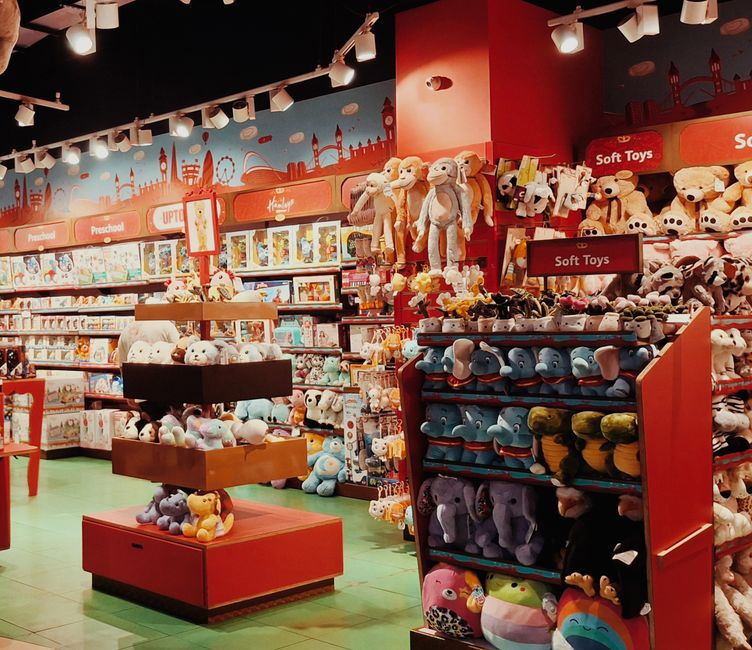
The global toy market is projected to reach approximately $120 billion by 2023, showcasing robust growth. This expansion is attributed to several factors including the rise of online shopping, increased disposable income, and the growing influence of social media on children’s preferences. As a result, manufacturers are continuously adapting their strategies to meet the dynamic demands of young consumers.
In recent years, sustainability has become a critical focus for many toy manufacturers. With a growing awareness of environmental issues, brands are increasingly exploring eco-friendly materials and production processes. This shift not only appeals to environmentally conscious consumers but also positions manufacturers as responsible corporate citizens. For instance, many companies are investing in biodegradable plastics and renewable resources to create toys that are both safe for children and less harmful to the planet.
Innovations in Toy Design
Innovative design plays a vital role in the success of children toy manufacturers. Companies are leveraging advanced technologies, such as augmented reality (AR) and artificial intelligence (AI), to create engaging and interactive experiences. For example, toys that integrate AR allow children to interact with virtual elements, enhancing their playtime and learning opportunities.
Moreover, the trend of combining educational aspects with play is gaining traction. Manufacturers are now creating toys that promote STEM (Science, Technology, Engineering, and Mathematics) learning. These toys not only entertain but also educate children, preparing them for future challenges. The rise of coding toys, for instance, has opened doors for children to learn programming concepts in a fun and engaging way.
The Role of Safety Regulations
Safety is paramount in the toy industry, with stringent regulations in place to ensure that products are safe for children. Manufacturers must comply with various safety standards, such as the ASTM F963 in the United States and the EN71 in Europe. These regulations cover aspects such as material safety, choking hazards, and age appropriateness.
The importance of safety extends beyond compliance; it is also a key factor in building consumer trust. Parents are increasingly vigilant about the toys they purchase, often researching brands and reading reviews before making a decision. Consequently, manufacturers must prioritize safety in their product development to maintain a positive reputation and foster customer loyalty.
Challenges Facing Manufacturers
Despite the growth and innovations, children toy manufacturers face several challenges. The competitive landscape is fierce, with numerous brands vying for market share. This competition often leads to price wars, which can impact profit margins. Manufacturers must find a balance between affordability and quality to attract consumers without compromising their bottom line.
Additionally, the rapid pace of technological advancements presents both opportunities and challenges. While technology can enhance toys and create new experiences, it also requires manufacturers to invest in research and development continually. Keeping up with trends, consumer preferences, and emerging technologies can be daunting for many companies.
The Future of Children Toy Manufacturers
Looking ahead, the future of children toy manufacturers appears promising yet challenging. The increasing demand for personalized and customizable toys is likely to shape the industry. Brands that can offer unique, tailor-made experiences are expected to thrive in this evolving landscape. Furthermore, as parents continue to seek toys that support their children’s development, manufacturers will need to innovate continually to meet these expectations.
In conclusion, the role of a children toy manufacturer is multifaceted, encompassing creativity, safety, and sustainability. By embracing innovation and prioritizing consumer needs, these manufacturers can navigate the complexities of the industry and create toys that enrich children’s lives. As the market continues to evolve, those who adapt and respond to the changing landscape will secure their position as leaders in the toy industry.