
In an increasingly digital world, the way we experience and interact with our surroundings is changing dramatically. Virtual tour photography has emerged as a powerful tool for businesses and individuals alike, allowing them to showcase their spaces in an immersive manner. From real estate to tourism, virtual tours offer a glimpse into environments that users can explore from the comfort of their own homes. This article delves into the intricacies, applications, and benefits of virtual tour photography, and how it is revolutionizing various industries.
What is Virtual Tour Photography?
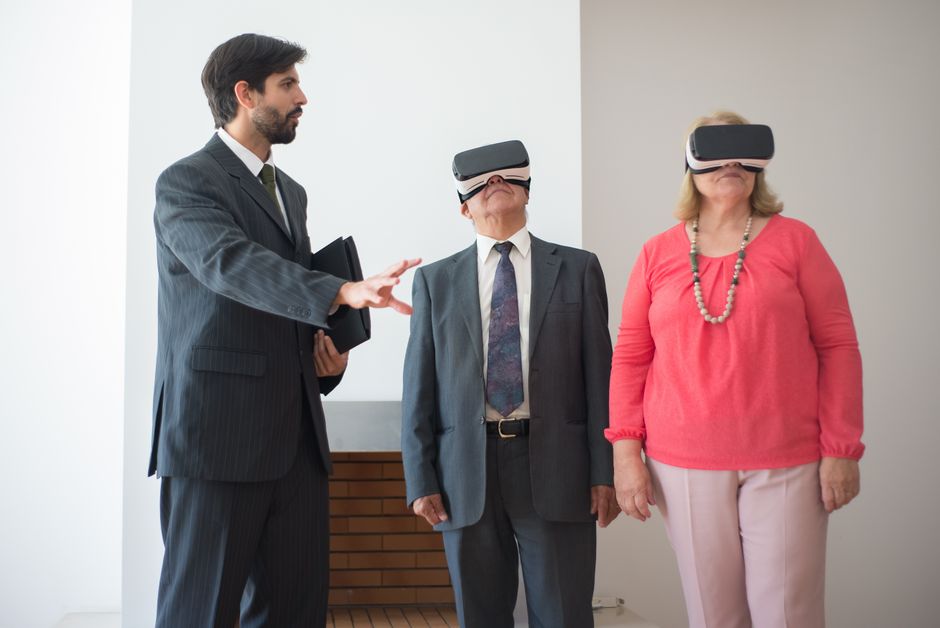
Virtual tour photography is a technique that involves capturing images of a space in a way that allows viewers to navigate through it digitally. This is typically done using high-resolution panoramic photographs that are stitched together to create a 360-degree view. The result is an interactive experience where users can control their viewpoint, zoom in on details, and explore areas that might be difficult to access physically.
With advancements in technology, the tools for creating virtual tours have become more accessible. Cameras specifically designed for 360-degree photography, such as the Ricoh Theta or the Insta360, have made it easier for anyone to produce high-quality virtual tours. Additionally, software platforms like Matterport provide users with the ability to create and edit virtual tours seamlessly.
Applications in Various Industries
Virtual tour photography is incredibly versatile and has applications across numerous sectors. In real estate, for instance, agents use virtual tours to showcase properties to potential buyers who are unable to visit in person. This not only saves time but also widens the pool of interested buyers, enhancing the chances of a sale.
In the tourism industry, hotels and attractions leverage virtual tours to entice visitors. By providing potential guests with a realistic preview of what to expect, businesses can enhance their marketing efforts. According to a study by Google, 67% of consumers prefer to book a hotel after viewing a virtual tour.
Moreover, educational institutions are adopting virtual tour photography to give prospective students an immersive experience of their campuses. This approach allows students to explore facilities and resources before making a decision, making the application process more informed.
Benefits of Virtual Tour Photography
The benefits of virtual tour photography extend beyond mere aesthetics. One of the primary advantages is the enhanced engagement it offers. Users are more likely to spend time exploring a space through a virtual tour than simply viewing static images. This level of interaction can lead to higher conversion rates, whether in sales, bookings, or information requests.
Furthermore, virtual tours can significantly improve SEO performance. By integrating virtual tours into a website, businesses can increase the time users spend on their site, which is a strong indicator to search engines that the content is relevant and valuable. This can lead to improved rankings in search results, driving even more traffic.
Another notable benefit is the cost-effectiveness of virtual tours. Unlike traditional marketing methods that may require extensive resources, virtual tours can be created and maintained at a relatively low cost. Once a tour is produced, it can be reused across various platforms and promotional materials.
Challenges and Considerations
Despite the numerous advantages, there are challenges associated with virtual tour photography. One of the main obstacles is the initial investment in equipment and software. High-quality cameras and editing tools can be costly, and not all businesses may have the budget to invest in them.
Additionally, creating an engaging virtual tour requires skill and expertise. Poorly executed tours can lead to negative impressions and may even deter potential customers. Therefore, it is often advisable for businesses to hire professionals who specialize in virtual tour photography to ensure the best results.
Moreover, as technology continues to evolve, staying updated with the latest trends and tools in virtual tour photography is essential. Businesses must be willing to adapt and innovate to remain competitive in their respective fields.
Future of Virtual Tour Photography
The future of virtual tour photography looks promising, with advancements in technology such as virtual reality (VR) and augmented reality (AR) enhancing the experience even further. As these technologies become more integrated into virtual tours, users will be able to experience even more immersive environments that replicate real-world interactions.
Furthermore, with the increasing demand for online experiences, particularly in a post-pandemic world, virtual tour photography is likely to become a standard practice in many industries. Businesses that embrace this trend early on will have a significant advantage over their competitors.
In conclusion, virtual tour photography is not just a passing trend; it is a powerful tool that can transform how businesses present their spaces. By offering an interactive and engaging experience, companies can not only enhance their marketing strategies but also build deeper connections with their audience. As technology continues to evolve, so too will the possibilities for virtual tour photography, making it an indispensable asset for the future.
For instance, businesses can explore innovative ways to integrate virtual tour photography into their marketing strategies to stay ahead in their respective industries.