
In recent years, the fashion industry has faced increasing scrutiny over its environmental impact. As consumers become more conscious of their purchasing decisions, the demand for sustainable fashion is on the rise. This article delves into the world of sustainable fashion brands, exploring what makes them unique, their commitment to ethical practices, and how they contribute to a more sustainable future.
Understanding Sustainable Fashion
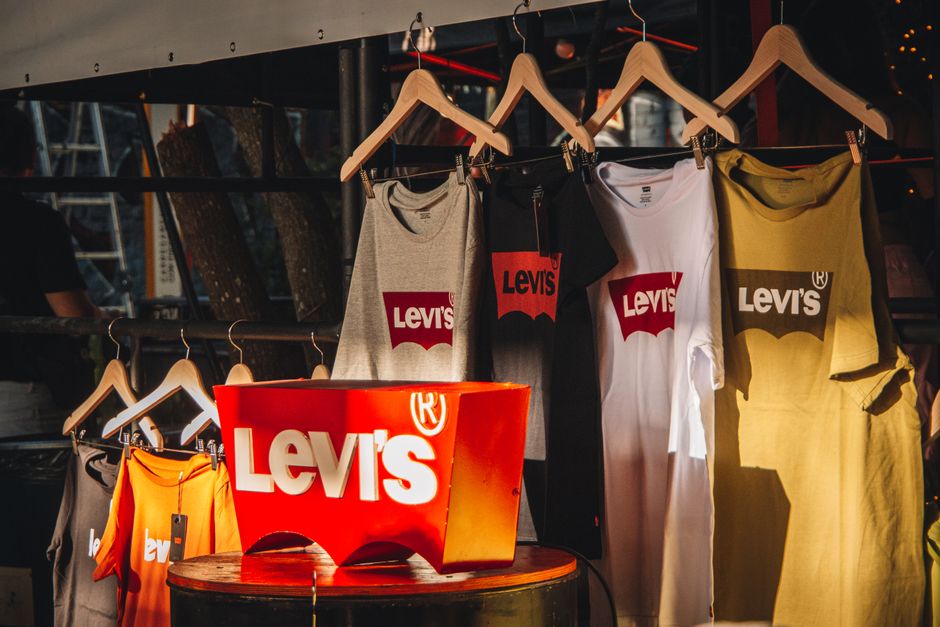
Sustainable fashion refers to clothing, footwear, and accessories that are designed to minimize environmental impact and promote social responsibility. This encompasses various practices, including the use of eco-friendly materials, ethical labor conditions, and sustainable production processes. The concept of sustainability in fashion extends beyond just the products themselves; it involves a holistic approach to the entire lifecycle of garments, from production to disposal.
According to the Global Fashion Agenda, the fashion industry is responsible for about 10% of global carbon emissions. This alarming statistic highlights the urgent need to shift towards more sustainable practices. Sustainable fashion brands aim to reduce this footprint by implementing innovative solutions and adopting circular economy principles.
The Role of Sustainable Materials
One of the cornerstones of sustainable fashion is the use of environmentally-friendly materials. Brands are increasingly opting for organic cotton, Tencel, recycled polyester, and other sustainable textiles that have a lower environmental impact compared to conventional materials. For instance, organic cotton is grown without synthetic fertilizers or pesticides, making it a more sustainable choice for both the environment and the farmers.
In addition to using sustainable materials, many brands are also focusing on innovative fabric technologies. For example, some companies are developing biodegradable fabrics that decompose naturally, reducing waste in landfills. These advancements not only help in conserving resources but also contribute to the overall sustainability of the fashion industry.
Ethical Manufacturing Practices
Beyond materials, ethical manufacturing practices are essential to the sustainable fashion movement. Brands committed to sustainability often prioritize fair labor practices, ensuring that workers receive fair wages and work in safe conditions. This commitment to ethics is crucial in an industry that has long been associated with exploitative labor practices.
For example, brands like Everlane and Reformation are transparent about their supply chains, providing consumers with insights into where and how their products are made. By promoting transparency, these companies empower consumers to make informed choices about their purchases and encourage other brands to adopt similar practices.
The Impact of Consumer Choices
Consumer behavior plays a significant role in the growth of sustainable fashion. As more people prioritize sustainability in their purchasing decisions, brands are incentivized to adopt eco-friendly practices. According to a Nielsen report, 66% of global consumers are willing to pay more for sustainable brands. This shift in consumer demand is prompting traditional fashion companies to rethink their practices and invest in sustainable alternatives.
Moreover, social media has amplified the conversation around sustainable fashion, with influencers and activists advocating for eco-friendly choices. This increased awareness has led to a surge in interest in sustainable fashion brands, prompting them to innovate and expand their offerings.
Examples of Leading Sustainable Fashion Brands
Several brands are leading the charge in sustainable fashion, each with its unique approach. For instance, Patagonia is renowned for its commitment to environmental activism and has pioneered several initiatives to promote sustainability. The brand donates a percentage of its profits to environmental causes and encourages customers to repair and recycle their clothing.
Another noteworthy brand is sustainable fashion brand, which focuses on creating stylish yet eco-friendly apparel. Their commitment to using sustainable materials and ethical manufacturing processes exemplifies the principles of sustainable fashion.
Conclusion
The rise of sustainable fashion is not just a trend; it represents a significant shift in consumer values and industry practices. As awareness of environmental issues continues to grow, sustainable fashion brands are positioned to play a crucial role in shaping the future of the industry. By embracing sustainable materials, ethical manufacturing practices, and transparency, these brands are not only appealing to conscious consumers but also paving the way for a more responsible and sustainable fashion landscape.