
The baby furniture industry has seen remarkable growth in recent years, driven by increasing birth rates and a rising awareness among parents about the importance of quality furniture for their newborns. As families become more discerning about their choices, the demand for stylish, durable, and safe baby furniture has surged. This article explores the wholesale market for baby furniture, its trends, and how retailers can effectively navigate this space.
Understanding the Wholesale Market
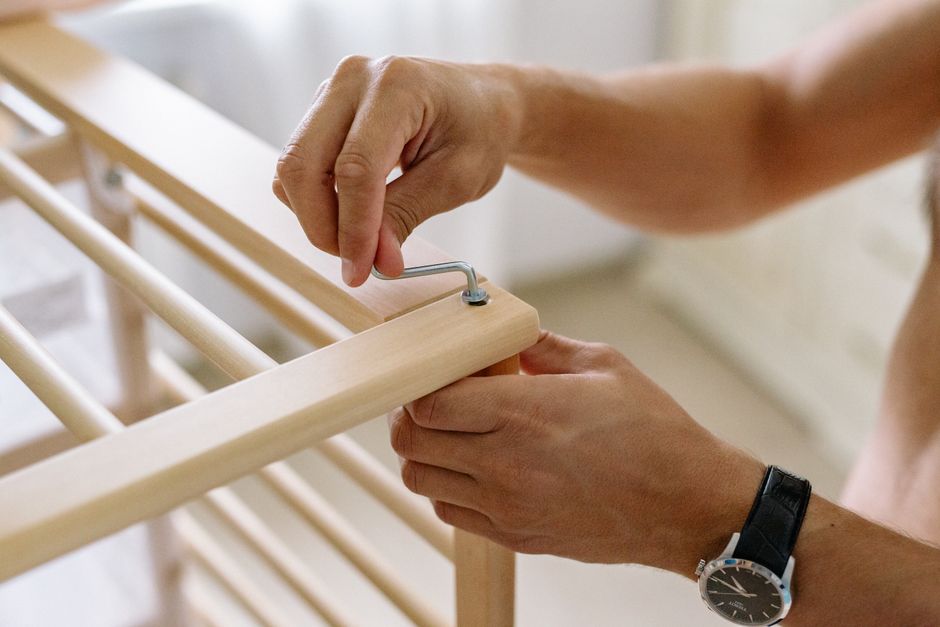
The wholesale market for baby furniture involves purchasing large quantities of products at a reduced price, allowing retailers to offer competitive pricing to consumers. This model not only benefits retailers but also manufacturers who can maintain steady production levels. According to recent statistics, the global baby furniture market is projected to reach $12 billion by 2025, growing at a CAGR of 5.5%. This growth is fueled by innovations in design and materials that enhance safety and sustainability.
Retailers looking to enter the baby furniture wholesale market should first assess their target demographics. Understanding consumer preferences can guide them in selecting the right products to stock. For instance, many parents today prioritize eco-friendly materials and modern designs, which can influence purchasing decisions.
Trends in Baby Furniture Design
One of the most significant trends in baby furniture is the shift towards multifunctional pieces. Cribs that convert into toddler beds or changing tables that can later serve as dressers are gaining popularity. This not only saves space but also provides greater value for parents. Additionally, the trend of minimalism has influenced many designs, with simple lines and neutral colors becoming favored among modern parents.
Safety is another critical factor driving design innovations. Many manufacturers are now incorporating non-toxic finishes and rounded edges to minimize risks for infants. As safety standards continue to evolve, retailers must stay informed about regulations and ensure that the products they offer comply.
Supplier Relationships and Sourcing
Building strong relationships with suppliers is essential for retailers in the baby furniture wholesale market. Establishing trust can lead to better pricing, exclusive products, and improved service. Retailers should consider attending trade shows and industry events to connect with potential suppliers and explore the latest offerings in baby furniture.
Online platforms have also emerged as valuable resources for sourcing baby furniture. Retailers can leverage these platforms to compare prices, read reviews, and discover new brands. For instance, platforms like Faire allow retailers to find quality baby furniture at wholesale prices, enhancing their inventory without straining their budget. Retailers can explore options like baby furniture wholesale to connect with reputable manufacturers.
Marketing Strategies for Baby Furniture Retailers
Marketing plays a crucial role in the success of retailers in the baby furniture industry. Understanding the channels that effectively reach parents can significantly enhance a retailer’s visibility. Social media platforms like Instagram and Pinterest are excellent for showcasing stylish nursery designs and engaging potential customers.
Additionally, influencer partnerships can be a powerful tool for promoting baby furniture. Collaborating with parenting bloggers or social media influencers allows retailers to tap into established audiences and build credibility. Offering promotions or discounts for first-time buyers can also encourage trial purchases, helping to build a loyal customer base.
Challenges in the Baby Furniture Wholesale Market
Despite the promising prospects, retailers in the baby furniture wholesale market face several challenges. Supply chain disruptions, fluctuating raw material costs, and increasing competition from e-commerce giants are significant concerns. Retailers must be agile and adaptable to changing market conditions, ensuring they can meet customer demands without compromising on quality.
Moreover, navigating logistics can be complex, especially when dealing with bulky items like furniture. Retailers should invest in efficient inventory management systems and consider partnering with third-party logistics providers to streamline operations. This can help minimize costs and improve delivery times, enhancing overall customer satisfaction.
Conclusion
The wholesale market for baby furniture presents a wealth of opportunities for retailers willing to adapt to changing consumer preferences and market trends. By focusing on quality, safety, and innovative designs, retailers can carve out a niche in this competitive landscape. As the demand for baby furniture continues to grow, those who prioritize effective supplier relationships and robust marketing strategies will be well-positioned to succeed in this evolving market.