
In the rapidly evolving world of construction, the importance of MEP (Mechanical, Electrical, and Plumbing) engineering companies cannot be overstated. These firms play a critical role in ensuring that buildings are not only functional but also efficient and sustainable. This article delves into the various aspects of MEP engineering, highlighting its significance, challenges, and future trends.
Understanding MEP Engineering
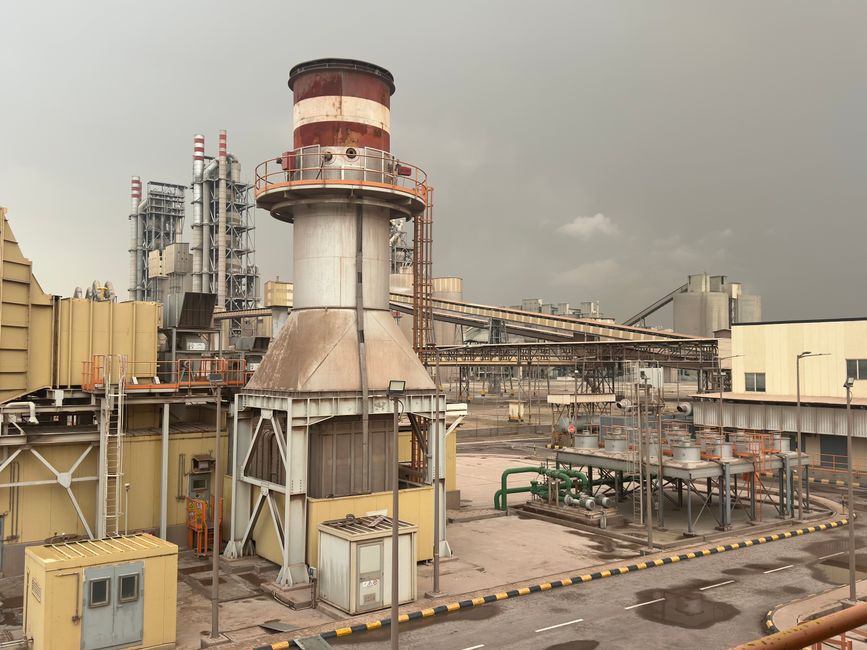
MEP engineering encompasses the design, installation, and maintenance of systems that control a building’s environment. This includes heating, ventilation, air conditioning (HVAC), electrical systems, fire protection, and plumbing. The integration of these systems is essential for the overall functionality of any structure. MEP engineers must collaborate with architects and construction teams from the inception of a project to ensure that all systems work harmoniously.
According to a report by the National Institute of Building Sciences, effective MEP design can reduce energy consumption in buildings by up to 30%. This statistic emphasizes the crucial role that MEP engineering companies play in the quest for energy efficiency and sustainability in construction.
Furthermore, MEP engineers are responsible for ensuring compliance with local codes and regulations, which can vary significantly from one location to another. This requires a comprehensive understanding of both engineering principles and legal requirements.
The Benefits of Hiring MEP Engineering Companies
One of the primary advantages of engaging an MEP engineering company is their expertise in optimizing building systems. By employing advanced modeling techniques, such as Building Information Modeling (BIM), these companies can simulate how different systems will interact with one another. This not only saves time during the design phase but also helps in identifying potential issues before construction begins.
Moreover, MEP engineering companies can provide valuable insights into selecting energy-efficient systems, which can result in significant cost savings for building owners over time. For instance, the U.S. Department of Energy estimates that energy-efficient HVAC systems can save up to 50% on energy costs compared to standard models.
Additionally, these firms often have established relationships with suppliers, enabling them to source materials at competitive prices. This can lead to cost savings on projects, allowing for higher quality materials to be used without exceeding budget constraints.
Challenges Faced by MEP Engineering Firms
Despite their critical role, MEP engineering companies face numerous challenges. One of the most significant is the increasing complexity of building designs. As structures become more sophisticated, MEP engineers must continuously adapt to new technologies and methods. This requires ongoing education and training to stay abreast of the latest developments in the field.
Another challenge is the coordination between various stakeholders involved in a construction project. Effective communication is essential to ensure that MEP systems are integrated seamlessly with architectural designs and structural elements. Miscommunication can lead to costly delays and rework, impacting project timelines and budgets.
Furthermore, the industry faces a shortage of skilled professionals. As the demand for MEP engineering services grows, there are not enough qualified engineers to meet this need. This talent gap can hinder the ability of firms to take on new projects and expand their services.
Future Trends in MEP Engineering
The future of MEP engineering is poised for transformation, influenced by advancements in technology and a growing emphasis on sustainability. One trend gaining momentum is the use of smart building technologies. These systems allow for real-time monitoring and control of MEP systems, enhancing efficiency and reducing operational costs.
Additionally, the integration of renewable energy sources, such as solar panels and wind turbines, into building designs is becoming more prevalent. MEP engineering companies are at the forefront of this transition, developing innovative solutions to incorporate these technologies effectively.
Moreover, as governments and organizations push for greener building practices, MEP engineers will play a crucial role in achieving sustainability certifications, such as LEED (Leadership in Energy and Environmental Design). The ability to design systems that minimize environmental impact will be a key differentiator for MEP engineering firms in the coming years.
Conclusion
MEP engineering companies are indispensable in the modern construction landscape. Their expertise not only ensures that buildings operate efficiently but also contributes to the overall sustainability of the environment. As the industry continues to evolve, these firms must embrace new technologies and methodologies to stay competitive. By understanding the critical importance of MEP engineering, stakeholders can make informed decisions that lead to successful and sustainable construction projects. For those looking to partner with a professional, consider reaching out to an established MEP engineering company to ensure your next project’s success.