
Horse riding is not just a sport; it is a deeply enriching experience that combines physical skill, emotional connection, and a love for animals. For many, the idea of learning to ride horses can seem daunting, but with the right guidance and instruction, anyone can master this art. This article will delve into the various aspects of horse riding lessons, from what to expect during your first class to the benefits of equestrian activities.
Understanding Horse Riding Lessons
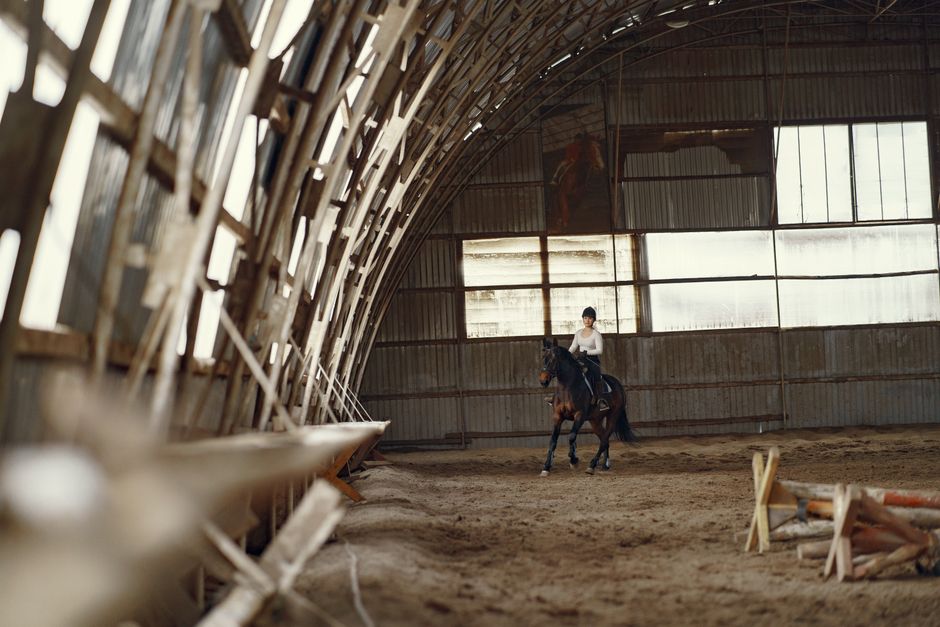
Horse riding lessons are structured sessions designed to teach individuals the fundamentals of riding, handling, and caring for horses. These lessons can be tailored for beginners, intermediate riders, and advanced equestrians looking to refine their skills. Typically, a lesson will include groundwork, riding techniques, and horse care education.
During a typical lesson, riders are introduced to basic riding postures, how to control the horse, and safety protocols. Students learn how to mount and dismount correctly, which is crucial for both their safety and the horse’s comfort. Moreover, instructors often emphasize the importance of building a rapport with the horse, which enhances the riding experience.
As you progress in your lessons, you will encounter various riding styles such as English, Western, and dressage. Each style has its unique techniques and disciplines, offering a diverse experience for riders. Understanding these different styles will help you choose the right path in your equestrian journey.
The Benefits of Horse Riding
Engaging in horse riding offers numerous advantages beyond just learning how to ride. Physically, it enhances balance, coordination, and core strength. Riding requires the use of various muscle groups, leading to improved overall fitness.
Mentally, horse riding fosters a sense of responsibility and discipline. Caring for a horse involves commitment and routine, which can translate to other areas of life. Additionally, the bond formed between rider and horse can provide emotional support and reduce stress levels. Studies have shown that interacting with animals can lead to lower anxiety and improved mood.
Moreover, horse riding can serve as an excellent social activity. Many riding schools and equestrian clubs offer group lessons and events, allowing riders to meet like-minded individuals and form friendships. These interactions can enhance the overall learning experience, making it more enjoyable and fulfilling.
What to Expect in Your First Lesson
On your first day at the riding school, you will typically be greeted by your instructor, who will assess your experience level and discuss your goals. If you are new to riding, don’t worry; every expert was once a beginner. The instructor will guide you through the basics, starting with safety gear and horse grooming techniques.
Before mounting, you will learn about equine behavior, including how to approach and handle a horse safely. Understanding horse body language is crucial for establishing trust and ensuring a safe riding environment.
Once you are comfortable, you will get a chance to ride. Your instructor will help you mount the horse and guide you through basic commands. Expect to spend the first few lessons focusing on walking and trotting before advancing to more complex movements. Remember, patience is key; mastering the art of riding takes time and practice.
Choosing the Right Riding School
When selecting a riding school, consider factors such as the qualifications of the instructors, the condition of the horses, and the facilities available. A good riding school will prioritize safety and provide a supportive environment for learners of all levels.
It is advisable to visit the school beforehand, if possible, to observe lessons and get a feel for the atmosphere. You might also want to ask about the school’s approach to teaching and the type of riding lessons they offer. Some schools specialize in particular disciplines, such as jumping or dressage, which may influence your choice.
Additionally, read reviews and testimonials from other riders to gain insights into their experiences. Engaging with the equestrian community can also provide valuable recommendations and help you find the right fit for your needs.
Advancing Your Skills
As you become more comfortable in the saddle, consider exploring advanced riding lessons or specialized clinics. These can provide opportunities to refine your technique, learn new skills, and participate in competitions. Advanced lessons often focus on specific areas such as jumping, dressage, or trail riding, allowing you to pursue your interests.
Moreover, engaging in equestrian activities such as volunteering at local stables or participating in community events can enhance your experience. This involvement can deepen your understanding of horse care and management, further benefiting your riding skills.
Ultimately, the journey of learning to ride a horse is a personal and rewarding experience. Whether you aim to compete or simply enjoy leisurely rides, each lesson brings you closer to achieving your goals. For those interested, horse riding lessons can be a great place to start your equestrian adventure.
Conclusion
Horse riding is an enriching pursuit that offers both physical and emotional benefits. With professional instruction, a supportive community, and a commitment to learning, anyone can discover the joy of riding. Embrace the journey, and remember that every ride is an opportunity to grow, learn, and connect with these magnificent animals.