
In the rapidly evolving landscape of technology, 3D printing services have emerged as a revolutionary force, transforming industries and enabling innovation at an unprecedented pace. From prototyping to production, the capabilities of 3D printing are reshaping the way businesses operate, allowing for greater customization, efficiency, and cost-effectiveness. This article delves into the multifaceted world of 3D printing services, exploring their applications, benefits, and future prospects.
Understanding 3D Printing Technology
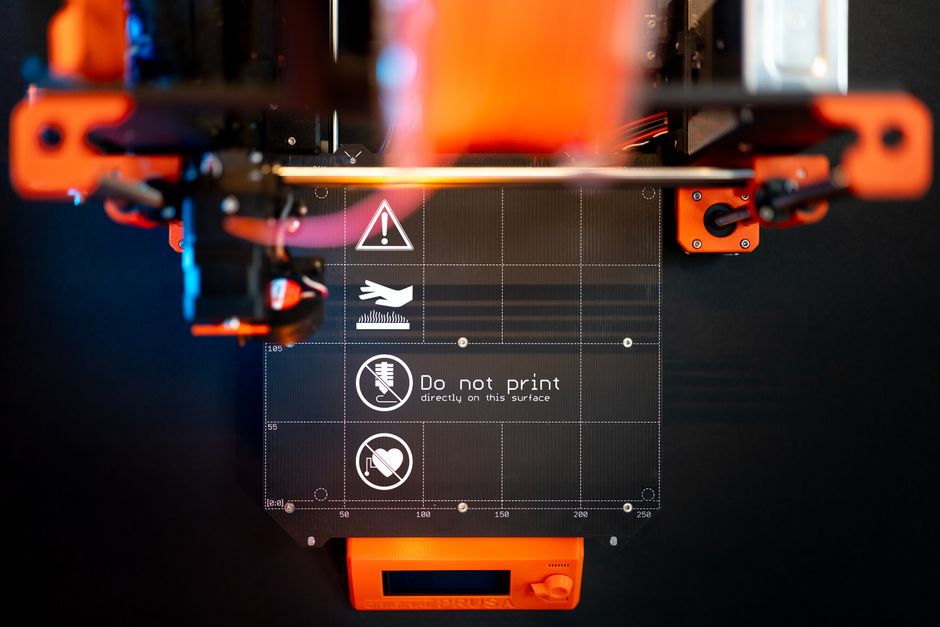
3D printing, also known as additive manufacturing, involves creating three-dimensional objects by layering materials based on digital models. This technology has advanced significantly since its inception in the 1980s, with various methods such as Fused Deposition Modeling (FDM), Stereolithography (SLA), and Selective Laser Sintering (SLS) each offering unique benefits. For instance, FDM is widely used for its affordability and accessibility, making it a popular choice for small businesses and hobbyists.
According to a report by Wohlers Associates, the 3D printing industry was valued at $12.6 billion in 2020 and is projected to grow to $34.8 billion by 2024. This rapid growth is driven by the increasing demand for customized solutions across different sectors, including healthcare, automotive, and aerospace.
The process begins with the creation of a digital model using Computer-Aided Design (CAD) software, which is then sliced into layers by slicing software. The printer then deposits material layer by layer until the final object is completed. This method not only reduces waste but also allows for intricate designs that would be challenging to achieve with traditional manufacturing methods.
Applications of 3D Printing Services
The applications of 3D printing services are vast and diverse. In the healthcare sector, for example, 3D printing is revolutionizing the way medical devices, prosthetics, and even human organs are produced. Surgeons are now able to print patient-specific models for pre-operative planning, enhancing surgical precision and outcomes.
In the automotive industry, companies are leveraging 3D printing to produce lightweight components that improve fuel efficiency. For instance, Ford has utilized 3D printed parts in their vehicles, significantly reducing production time and costs. This trend is evident as organizations strive for sustainability and efficiency in their manufacturing processes.
Moreover, the aerospace industry has adopted 3D printing for creating complex engine components that are both lighter and stronger, leading to improved performance and reduced emissions. Companies like Boeing and Airbus are at the forefront of this movement, utilizing 3D printing to push the boundaries of design and functionality.
Benefits of Utilizing 3D Printing Services
One of the primary benefits of 3D printing services is the ability to produce highly customized products at a fraction of the cost and time associated with traditional manufacturing. This is particularly advantageous for small businesses that may not have the resources to invest in large-scale production runs.
Additionally, 3D printing minimizes waste by using only the necessary amount of material, which is a significant advantage in today’s environmentally conscious market. Traditional manufacturing often involves cutting away excess material, leading to substantial waste; in contrast, 3D printing builds objects layer by layer, ensuring that every bit of material is utilized.
The speed of production is another critical factor. With 3D printing, companies can go from concept to prototype in a matter of days, allowing for rapid iteration and improvement. This agility in the design process enables businesses to stay competitive and responsive to market demands.
Challenges and Considerations
Despite its numerous advantages, 3D printing services also face challenges. One significant issue is the quality control of printed materials; ensuring consistency and reliability can be difficult, particularly when using new materials or technologies. The industry is actively working on developing standards and certifications to address these concerns.
Furthermore, intellectual property protection remains a concern, as the digital nature of 3D printing allows for easy duplication of designs. Companies must navigate the complexities of copyright and patent laws to safeguard their innovations while embracing the open-source nature of the technology.
Lastly, while the initial investment in 3D printing technology may be lower than traditional manufacturing setups, ongoing costs for materials and maintenance can add up. Businesses must carefully evaluate their needs and capabilities before committing to a 3D printing service.
The Future of 3D Printing Services
The future of 3D printing services is bright, with ongoing advancements in technology paving the way for new applications and possibilities. As materials science progresses, the range of materials available for 3D printing is expanding, including metals, ceramics, and bio-inks for medical purposes.
Additionally, the integration of artificial intelligence (AI) and machine learning into 3D printing processes is set to enhance efficiency and precision further. These technologies can optimize print settings and predict potential issues, leading to higher quality outputs and reduced downtime.
As more industries begin to adopt 3D printing, the demand for specialized services will continue to grow. Companies that embrace this technology and invest in their capabilities will position themselves for success in the evolving market landscape.
For businesses looking to leverage these cutting-edge solutions, a reliable 3D printing service can provide the necessary expertise and resources to bring innovative ideas to life.
Conclusion
In conclusion, 3D printing services represent a transformative force across numerous industries, offering unparalleled customization, efficiency, and sustainability. As technology continues to evolve, the potential applications are limitless, making it an exciting time to be involved in this field. By understanding the technology, its applications, and the benefits it offers, businesses can make informed decisions about how to integrate 3D printing into their operations and stay ahead of the curve.