
The demolition industry plays a crucial role in the construction sector, often serving as the first step in the journey of building development. Demolition contractors are specialized professionals who handle the process of tearing down structures, ensuring that the process is safe, efficient, and compliant with local regulations. This article delves into the responsibilities, techniques, and importance of hiring a qualified demolition contractor for your next project.
What Does a Demolition Contractor Do?
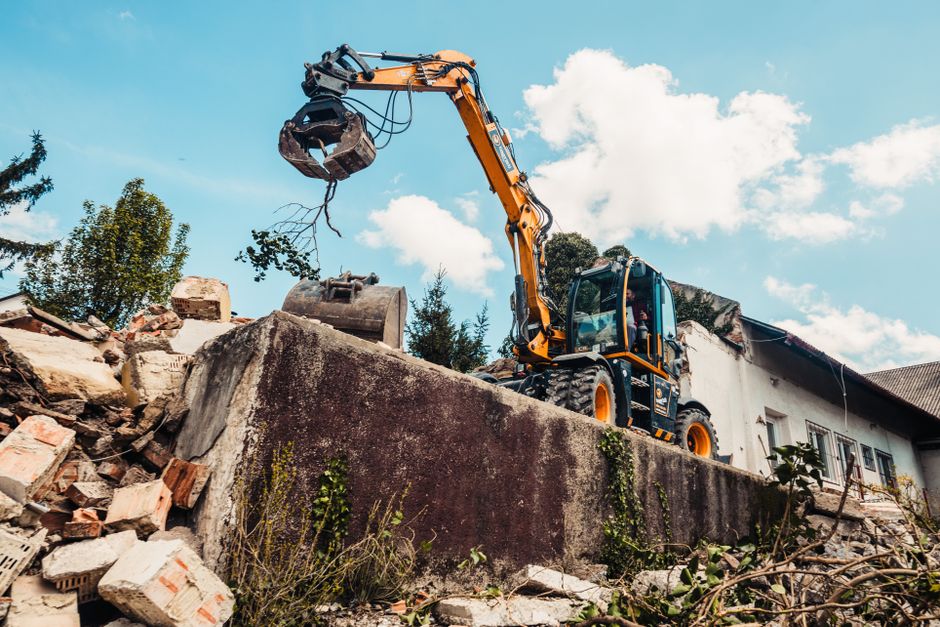
A demolition contractor is responsible for the systematic dismantling of buildings and other structures. Their work involves more than just knocking down walls; it includes careful planning and execution to ensure safety and environmental compliance. A demolition contractor must assess the building’s structure, identify hazardous materials such as asbestos, and develop a comprehensive demolition plan. This plan outlines the methods and equipment needed, as well as the safety measures that will be implemented during the demolition process.
The contractor also coordinates with local authorities to obtain the necessary permits and ensures that all work complies with local and federal regulations. This is crucial, as failing to adhere to the legal requirements can result in significant fines and delays.
Techniques Used in Demolition
Demolition contractors employ various techniques depending on the type of structure and the surrounding environment. Common methods include:
- Mechanical Demolition: This is the most common method, where heavy machinery like excavators and bulldozers are used to bring down structures.
- Controlled Demolition: For structures in densely populated areas, controlled demolition techniques such as implosion are used. This method requires careful planning to ensure that the building collapses inward, minimizing damage to surrounding properties.
- Manual Demolition: In some cases, especially with smaller structures or interior spaces, manual demolition is more appropriate. This method involves workers using hand tools to dismantle the building.
Each of these techniques has its advantages and is chosen based on factors like building type, location, and project timeline.
The Importance of Hiring a Qualified Demolition Contractor
Hiring a qualified demolition contractor is essential for several reasons. Firstly, they possess the expertise and experience necessary to handle complex demolition projects. A professional contractor understands the intricacies involved in safely demolishing buildings and can mitigate risks that untrained individuals might overlook.
Secondly, a professional contractor will have access to the right equipment and skilled labor. This not only speeds up the demolition process but also ensures that it is done efficiently and safely. For example, a contractor may use specialized tools for hazardous material removal, ensuring compliance with health regulations.
Additionally, hiring a qualified contractor can save you money in the long run. While it might seem cost-effective to hire a cheaper, unqualified service, the risks of accidents, legal issues, and delays can lead to far greater expenses. Therefore, investing in a reliable demolition contractor is a wise choice.
Environmental Considerations in Demolition
In recent years, environmental concerns have become increasingly important in the demolition industry. Demolition contractors are now tasked with not only dismantling structures but also managing waste responsibly. This includes recycling materials such as concrete, metals, and wood whenever possible.
Many jurisdictions have implemented regulations requiring demolition contractors to recycle a certain percentage of materials. By doing so, contractors contribute to sustainable practices and reduce the amount of waste sent to landfills. This trend has led to the rise of green demolition practices, where contractors focus on minimizing environmental impact.
Conclusion
In conclusion, the role of a demolition contractor is multifaceted and essential in the construction industry. Their expertise ensures that demolition projects are executed safely, efficiently, and in compliance with regulations. As the industry evolves, hiring a qualified contractor becomes increasingly important, especially considering the environmental responsibilities and legal requirements involved. Whether you are planning a residential renovation or a large commercial project, understanding the significance of a skilled demolition contractor can make all the difference in the success of your undertaking.