
Commercial real estate (CRE) encompasses a wide range of property types, including office buildings, retail spaces, warehouses, and multifamily housing. As urban populations grow and the demand for business spaces increases, understanding the intricacies of the commercial real estate market becomes crucial for investors, developers, and tenants alike. This article delves into the current trends, challenges, and opportunities within the realm of commercial real estate.
Understanding Commercial Real Estate
Commercial real estate refers to properties used exclusively for business purposes. Unlike residential real estate, which involves personal living spaces, CRE is all about generating profit. The most common types of commercial properties include:
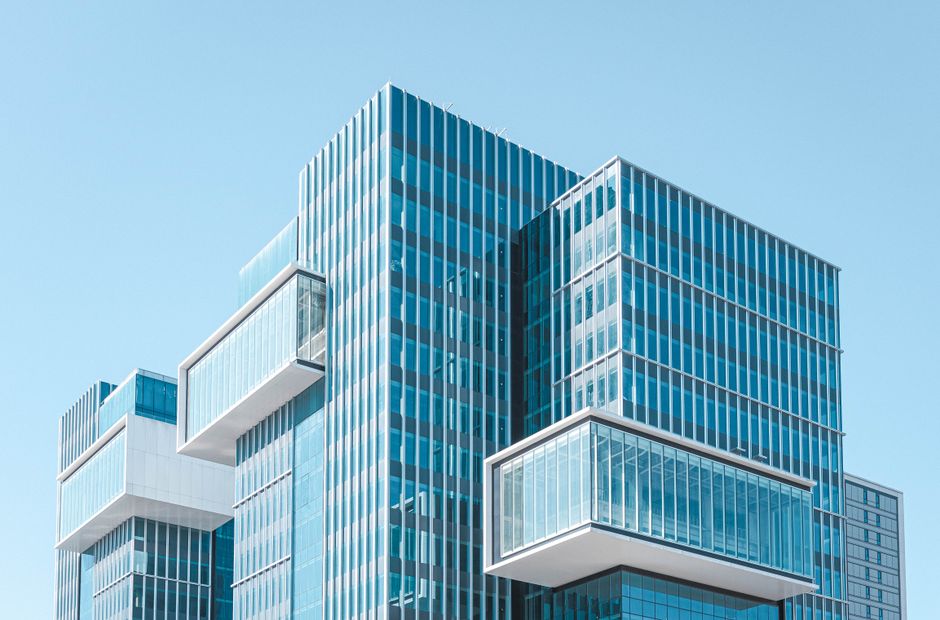
1. **Office Buildings**: These range from skyscrapers in urban areas to smaller office parks in suburban neighborhoods. They are leased to businesses and are often categorized into Class A, B, and C, based on their location and amenities.
2. **Retail Spaces**: These properties include shopping malls, standalone stores, and mixed-use developments. The rise of e-commerce has significantly affected the retail sector, prompting many businesses to adapt their strategies.
3. **Industrial Properties**: Warehouses, distribution centers, and manufacturing facilities fall under this category. The demand for industrial space has surged due to the growth of online shopping and logistics.
4. **Multifamily Housing**: While often considered residential, multifamily units like apartment complexes are categorized as commercial real estate because they are rented out to tenants as an investment.
Current Trends in Commercial Real Estate
The commercial real estate market is constantly evolving, influenced by various factors such as technology, consumer behavior, and economic conditions. Currently, several key trends are shaping the landscape:
1. **Remote Work and Hybrid Models**: The COVID-19 pandemic has fundamentally changed how businesses operate, leading to a shift in office space demand. Many companies are downsizing their physical office spaces, resulting in increased vacancy rates.
2. **E-commerce Growth**: The rise of online shopping has led to increased demand for logistics and warehouse spaces. Investors are keen to capitalize on this trend, driving up property values in the industrial sector.
3. **Sustainability Initiatives**: There is a growing emphasis on sustainability in commercial real estate. Properties that incorporate eco-friendly features and practices are becoming more attractive to investors and tenants.
4. **Technology Integration**: The use of technology in property management and tenant engagement is on the rise. Features like smart building systems and virtual tours are becoming standard in commercial properties.
Challenges Facing the Commercial Real Estate Market
1. **Economic Uncertainty**: Fluctuations in the economy can significantly impact the demand for commercial properties. Investors must be prepared for economic downturns and their effects on occupancy rates.
2. **Regulatory Changes**: Changes in zoning laws and property regulations can affect development and investment strategies. Staying informed about local regulations is essential for success in the commercial real estate market.
3. **Competition**: As more investors enter the market, competition for prime properties increases. Investors must conduct thorough market research to identify opportunities and differentiate themselves.
Opportunities in Commercial Real Estate
Despite the challenges, numerous opportunities exist within the commercial real estate sector:
1. **Value-Add Investments**: Investors can seek properties that require renovation or repositioning. By improving these assets, they can significantly increase their value and rental income potential.
2. **Emerging Markets**: Areas experiencing economic growth often present lucrative investment opportunities. Identifying up-and-coming neighborhoods can lead to substantial returns.
3. **Diversification**: Investing in different types of commercial properties can help mitigate risks. A well-diversified portfolio can withstand market fluctuations more effectively.
Conclusion
Commercial real estate remains a dynamic and essential component of the economy. With a thorough understanding of current trends, challenges, and opportunities, investors and developers can make informed decisions that align with their goals. As the landscape continues to evolve, those who adapt to changes and leverage new technologies will find success in this competitive market. For those interested in exploring available properties, a comprehensive resource for finding commercial real estate can provide valuable insights.