
Greenhouses have become a crucial tool for gardeners and farmers looking to extend their growing seasons and improve crop yields. With the right greenhouse equipment, you can create an ideal environment for your plants, ensuring they thrive regardless of external weather conditions. In this article, we will explore various types of greenhouse equipment that can help you achieve optimal growth and productivity.
Types of Greenhouse Structures
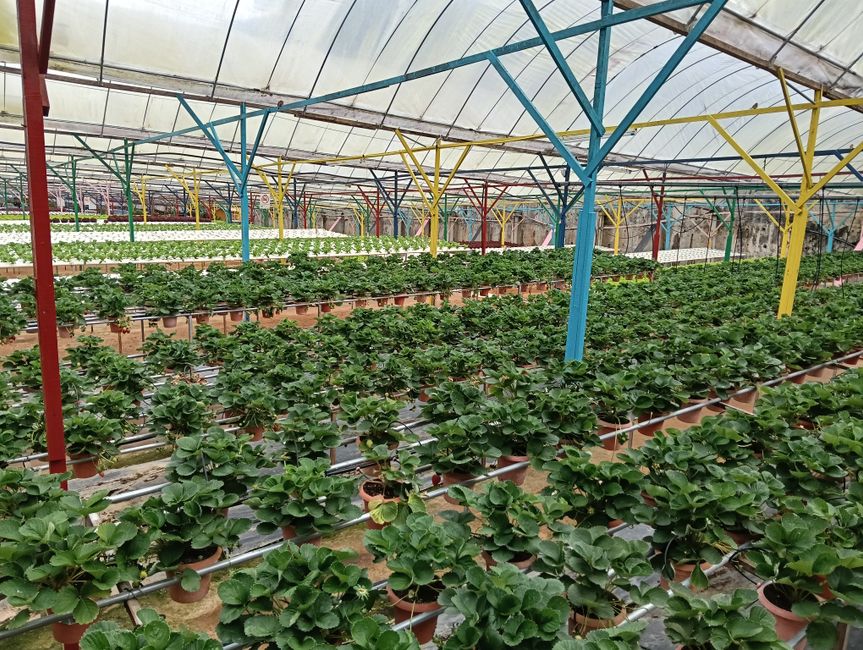
The foundation of any successful greenhouse operation starts with the right structure. There are several types of greenhouse structures available, each with its benefits. The most common types include:
1. **Gable Greenhouses**: These structures feature a symmetrical roof and are ideal for regions with heavy snowfall. The design allows snow to slide off easily, preventing structural damage.
2. **Hoop Houses**: Made from flexible piping and covered with plastic sheeting, hoop houses are cost-effective and easy to construct. They are perfect for small-scale gardeners looking to extend their growing season.
3. **Ridge and Furrow Greenhouses**: This type is suitable for commercial operations and features multiple connected houses. They maximize space and are perfect for growing larger quantities of crops.
Choosing the right structure will depend on your budget, space, and the types of plants you wish to grow. Investing in quality greenhouse equipment, like sturdy frames and durable coverings, ensures that your crops are protected and can flourish.
Climate Control Systems
Maintaining the right temperature and humidity levels is essential for plant health. Climate control systems, including heating, cooling, and ventilation equipment, play a vital role in creating an optimal environment inside your greenhouse.
1. **Heating Systems**: Options include electric heaters, gas heaters, and hydronic heating systems. Each has its pros and cons. For instance, electric heaters provide precise temperature control, while gas heaters are more economical for larger spaces.
2. **Cooling Systems**: Evaporative cooling systems and exhaust fans are effective ways to lower temperatures in your greenhouse during hot months. Proper cooling not only protects your plants but also enhances their growth.
3. **Ventilation Equipment**: Natural ventilation can be achieved through roof vents and side vents, while mechanical systems involve fans and shutters. Good airflow is crucial for preventing diseases and promoting healthy plant development.
Investing in effective climate control equipment is crucial for maximizing your greenhouse’s productivity. Properly installed systems will help you maintain consistent conditions year-round.
Lighting Solutions
Light is one of the most critical factors for plant growth, particularly in a greenhouse setting. Depending on your location and the time of year, supplemental lighting may be necessary to ensure your plants receive adequate light.
1. **LED Grow Lights**: These energy-efficient lights are becoming increasingly popular due to their longevity and low energy consumption. They can be tailored to emit specific wavelengths that promote photosynthesis.
2. **Fluorescent Lights**: These are often used for seed starting and growing seedlings. They provide a balanced spectrum of light, helping young plants thrive.
3. **High-Intensity Discharge (HID) Lights**: Used primarily in commercial operations, HID lights provide a strong light source that can significantly enhance growth rates.
Choosing the right lighting equipment based on your plants’ needs ensures they receive the appropriate light spectrum for healthy growth.
Irrigation Systems
Water management is another essential aspect of greenhouse gardening. Efficient irrigation systems help you provide the right amount of water to your plants without waste.
1. **Drip Irrigation**: This system delivers water directly to the plant roots, minimizing evaporation and ensuring that water is used efficiently. It is particularly beneficial for larger greenhouse operations.
2. **Mist Systems**: Often used for humidity control, mist systems can help maintain moisture levels in the air, which is especially important for tropical plants.
3. **Timers and Sensors**: Incorporating timers and soil moisture sensors into your irrigation system can help automate the watering process, ensuring your plants receive consistent care.
By implementing an effective irrigation system, you can improve plant health and reduce water waste, making your greenhouse operations more sustainable.
Essential Tools and Equipment
Aside from the larger systems mentioned above, various tools and equipment can enhance your greenhouse experience. These include:
1. **Growing Trays and Pots**: The right containers can improve drainage and aeration for your plants, ensuring they grow strong and healthy.
2. **Soil Mixes and Fertilizers**: Using high-quality soil and nutrients tailored to your plants can significantly impact growth rates and yields.
3. **Pest Control Equipment**: Integrated pest management tools, such as insect traps and organic pesticides, can help keep your plants safe from pests without damaging the environment.
As you set up your greenhouse, investing in the right greenhouse equipment will enhance your gardening experience and improve overall productivity.
Conclusion
Setting up a greenhouse can be an exciting venture, offering numerous opportunities for gardening enthusiasts and commercial growers alike. By investing in the right greenhouse equipment, including structures, climate control systems, lighting, irrigation, and essential tools, you can create an environment that nurtures your plants and maximizes your yield. Understanding your needs and carefully selecting equipment will ultimately lead to a successful greenhouse operation.