
Chemical peels have become increasingly popular in the world of skincare, offering a range of benefits for those looking to enhance their complexion. This treatment involves applying a solution to the skin that causes the outer layers to peel away, revealing smoother and more youthful skin underneath. With various types of chemical peels available, understanding their differences and potential benefits is crucial for anyone considering this option.
What is a Chemical Peel?
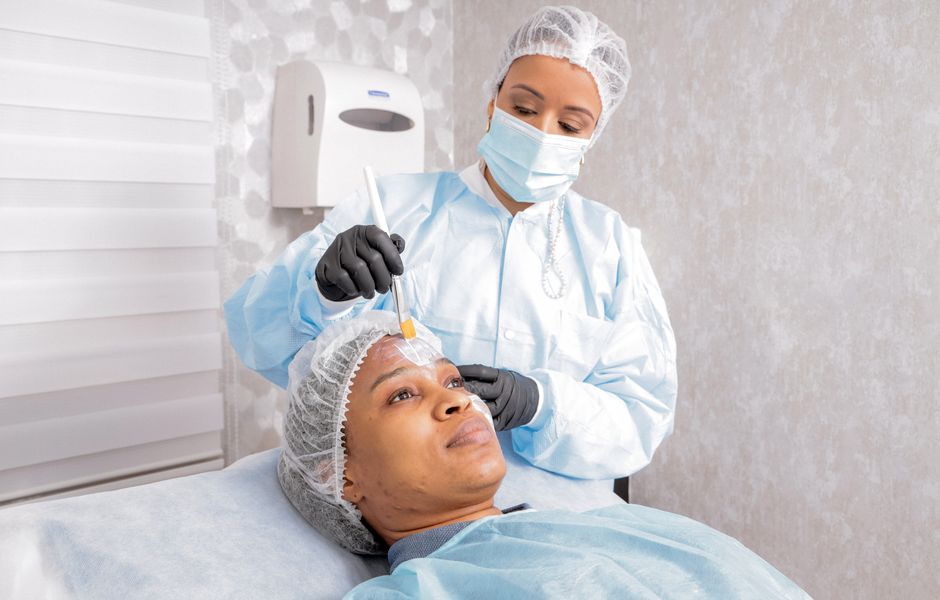
A chemical peel is a cosmetic procedure that uses a chemical solution to improve the appearance of the skin. Depending on the type of peel, the solution can penetrate different layers of the skin, targeting issues like acne scars, wrinkles, and uneven skin tone. The three main types of chemical peels are superficial, medium, and deep peels, each varying in intensity and recovery time.
Superficial peels are the mildest and typically use alpha-hydroxy acids (AHAs) to remove the outermost layer of skin. Medium peels often use trichloroacetic acid (TCA) to reach deeper layers, while deep peels use phenol for more significant skin issues. The choice of peel depends on the individual’s skin type and the specific skin concerns they wish to address.
Understanding the science behind chemical peels is essential for making an informed decision. The procedure works by inducing controlled injury to the skin, prompting a healing response that encourages new skin cell growth. This process can significantly improve skin texture and tone, making it a popular choice for many.
Benefits of Chemical Peels
Chemical peels offer numerous benefits that go beyond mere aesthetics. For one, they can help reduce fine lines and wrinkles by promoting collagen production, which is vital for maintaining skin elasticity. Additionally, chemical peels can effectively treat acne and minimize the appearance of scars, providing a smoother complexion.
Another significant advantage is the improvement in overall skin tone. Many individuals experience issues with hyperpigmentation or uneven skin tone, and chemical peels can help to lighten these areas, resulting in a more uniform appearance. Moreover, regular chemical peel treatments can enhance the effectiveness of skincare products, allowing them to penetrate deeper into the skin.
Preparation and Aftercare
Preparing for a chemical peel is crucial for achieving optimal results. A consultation with a qualified dermatologist is essential to determine the most suitable type of peel for your skin type and concerns. The dermatologist may recommend specific pre-peel skincare products and routines to prepare your skin for the treatment.
Post-treatment care is equally important. After a chemical peel, the skin may be sensitive and require special attention to promote healing. It is typically recommended to avoid sun exposure and to use gentle, hydrating products to soothe the skin. Staying hydrated and following a proper skincare routine can significantly enhance the results of the treatment.
It’s also worth noting that some individuals may experience side effects such as redness, swelling, or peeling after the procedure. These effects are typically temporary but can vary depending on the depth of the peel. Consulting with a skincare specialist about the expected recovery timeline can help set realistic expectations.
Choosing the Right Specialist
When considering a chemical peel, selecting the right skincare professional is critical. Look for a licensed dermatologist or a certified aesthetician with extensive experience in performing chemical peels. Reading reviews and asking for recommendations can provide insight into the quality of care offered by the practitioner.
During the initial consultation, don’t hesitate to ask questions about the procedure, potential risks, and expected outcomes. A qualified professional should be transparent about the process and provide tailored advice based on your unique skin needs.
Additionally, consider visiting clinics that prioritize patient education and safety. A reputable clinic will ensure that you are well-informed about the procedure and its implications, helping you feel comfortable and confident in your choice.
Final Thoughts on Chemical Peels
Chemical peel treatments can be a game-changer for those struggling with various skin concerns. By understanding the different types of peels available and their respective benefits, individuals can make informed decisions that align with their skincare goals. Whether looking to rejuvenate dull skin or address specific imperfections, chemical peels offer a viable solution.
As you embark on your skincare journey, remember that consistency is key. Regular treatments, along with a proper skincare regimen, can lead to lasting results and a radiant complexion. For those interested in a deeper understanding of the procedure, resources such as chemical peel treatment information can provide valuable insights. Ultimately, the right approach to skincare is about finding what works best for your unique skin needs and embracing the journey toward healthier skin.