
When it comes to maintaining a vehicle, the transmission is one of the most crucial components. It plays a vital role in ensuring smooth gear shifts and overall vehicle performance. Understanding the intricacies of transmission repair can save car owners time, money, and stress. In this article, we will explore the various aspects of transmission repair, including common issues, signs of failure, and tips for effective maintenance.
Understanding Transmission Basics
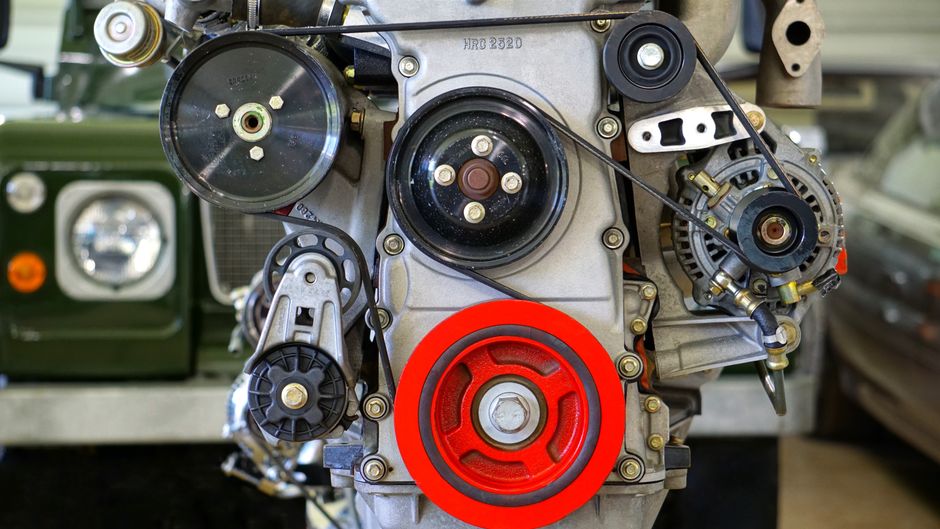
The transmission is responsible for transferring power from the engine to the wheels, allowing the vehicle to move. There are two main types of transmissions: automatic and manual. Each type has its unique mechanisms and potential issues. Automatic transmissions, for instance, are more complex and often require specialized knowledge for repairs.
In the event of a malfunction, it’s essential to identify the type of transmission in your vehicle. This will help in diagnosing the problem and determining the appropriate repair methods. For instance, automatic transmissions typically have a more complicated structure involving hydraulic systems, while manual transmissions rely on a simpler gear mechanism.
Common Transmission Issues
Vehicle owners often encounter various issues with their transmissions. Some of the most common problems include slipping gears, delayed shifting, and fluid leaks. Slipping gears can cause the car to unexpectedly change speeds, which can be dangerous. Delayed shifting occurs when the transmission hesitates to change gears, affecting the vehicle’s performance.
Fluid leaks are another significant indicator of transmission problems. Transmission fluid is crucial for lubrication and cooling. A drop in fluid levels can lead to overheating and severe damage if not addressed promptly. Regular checks of the transmission fluid level and condition can help prevent more extensive repairs down the line.
Signs Your Transmission Needs Repair
Being aware of the signs that indicate your transmission may need repair is crucial for vehicle maintenance. Some warning signs include unusual noises, such as grinding or clunking sounds when shifting gears, as well as warning lights on the dashboard. If you notice a burning smell, it could mean that the transmission fluid is overheating, necessitating immediate attention.
Another sign to watch for is a lack of responsiveness when shifting gears. If the vehicle doesn’t accelerate or decelerate as expected, this could indicate a serious issue with the transmission. Regular maintenance checks can help catch these problems early, potentially saving you from costly repairs in the future.
Cost of Transmission Repair
The cost of transmission repair can vary significantly depending on the type of vehicle, the extent of the damage, and the specific repairs needed. On average, minor repairs can cost anywhere from $150 to $1,000, while a complete transmission rebuild can range from $1,500 to $4,000 or more.
It’s important to obtain multiple quotes from different repair shops to ensure you receive a fair price. Additionally, consider the warranty options available for transmission repairs. Some shops offer warranties on their work, providing peace of mind for vehicle owners.
Preventive Maintenance Tips
Preventing transmission issues is easier and more cost-effective than dealing with repairs. Regular maintenance is key to ensuring the longevity of your vehicle’s transmission. This includes routine fluid changes, checking for leaks, and ensuring the transmission filter is clean.
Another important aspect of preventive maintenance is driving habits. Avoiding aggressive driving, such as rapid acceleration and hard braking, can significantly reduce wear and tear on the transmission. Additionally, using the correct type of transmission fluid as specified in your vehicle’s owner manual is crucial for optimal performance.
For those who suspect they may need transmission repair, seeking professional advice early can help mitigate further issues and costs.
Conclusion
In conclusion, understanding your vehicle’s transmission and recognizing the signs of potential issues can save you from extensive repairs and ensure your vehicle runs smoothly. Regular maintenance, being aware of common problems, and knowing when to seek professional help are essential steps every vehicle owner should take. By prioritizing transmission care, you can enhance the longevity and reliability of your vehicle.