
When it comes to maintaining a healthy home, one often overlooked aspect is the septic system. Many homeowners are unaware of the importance of regular septic tank cleaning, which can prevent costly repairs and ensure the smooth functioning of the entire plumbing system. In this comprehensive guide, we will explore the reasons why septic tank cleaning is crucial, how often it should be done, and the steps involved in the process.
Understanding Your Septic System
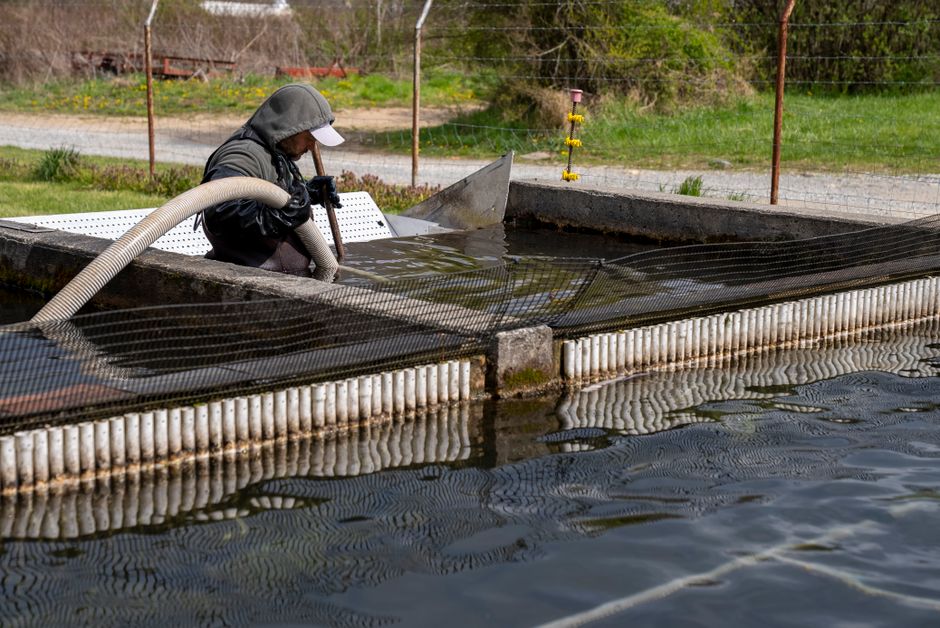
A septic system is a self-contained underground wastewater treatment system that is used in areas without centralized sewer systems. It typically consists of a septic tank and a drain field. The septic tank is designed to hold wastewater from your home, allowing solids to settle at the bottom while liquids flow out into the drain field for further treatment. Understanding this basic function is key to recognizing the importance of regular maintenance.
Most septic tanks are designed to last for many years, but neglecting them can lead to serious issues. Over time, solids can build up in the tank, reducing its efficiency and potentially leading to system failure. This is where regular septic tank cleaning comes into play.
Why Regular Septic Tank Cleaning is Important
Regular septic tank cleaning is essential for several reasons. Firstly, it prevents the accumulation of solids that can clog the system. If the tank becomes too full, it can lead to backups and overflows, causing significant damage to your property and requiring costly repairs.
Secondly, cleaning your septic tank helps to maintain the effectiveness of the system. A well-maintained septic system can efficiently process wastewater, reducing the risk of environmental contamination and protecting groundwater sources. According to the Environmental Protection Agency (EPA), improperly maintained septic systems can lead to serious health risks and environmental hazards.
Lastly, regular cleaning can prolong the lifespan of your septic system. By ensuring that it operates efficiently, you can avoid premature replacements and save money in the long run. Homeowners should schedule routine inspections and cleanings to keep their systems in optimal condition.
How Often Should You Clean Your Septic Tank?
The frequency of septic tank cleaning depends on several factors, including the size of the tank, the number of people living in the household, and the amount of wastewater generated. Generally, it is recommended to have your septic tank pumped every 3 to 5 years. However, larger households or homes with high water usage may require more frequent cleaning.
To determine the optimal cleaning schedule for your specific situation, consider consulting with a septic maintenance professional. They can assess your system and provide tailored recommendations based on your household’s needs.
The Septic Tank Cleaning Process
The process of septic tank cleaning involves several steps. First, a professional will locate the septic tank access point, usually marked by a cover or lid. Once accessed, the tank will be pumped to remove accumulated solids and liquids.
After the tank is pumped, the technician will inspect it for any signs of damage or wear. This is a crucial step, as it allows for early detection of potential issues that could lead to system failure. If any problems are identified, repairs should be made promptly.
Finally, the tank will be refilled with water to restore its normal operating level. It’s important to note that regular septic maintenance is not just about cleaning; it also involves monitoring the health of the entire system.
DIY vs. Professional Cleaning
While some homeowners may consider cleaning their septic tank themselves, this is generally not recommended. Septic systems can be hazardous, and improper handling can lead to serious health risks. Additionally, professionals have the necessary equipment and expertise to perform the job safely and effectively.
Hiring a licensed septic tank cleaning service ensures that the job is done correctly and that all local regulations are followed. These professionals are equipped to handle any potential issues that may arise during the cleaning process and can provide valuable advice on maintaining your system.
Conclusion
In conclusion, regular septic tank cleaning is a vital aspect of home maintenance that should not be overlooked. By understanding your septic system, knowing the importance of cleaning, and adhering to a proper maintenance schedule, you can ensure the longevity and efficiency of your septic system. Whether you’re a new homeowner or have been living in your house for years, taking the time to care for your septic system will save you time, money, and headaches in the future.