
The concept of psychiatric hospitals has undergone significant transformations over the years. Once viewed with stigma and fear, these institutions are now recognized as essential components of the mental health care system. Psychiatric hospitals provide specialized treatment for individuals suffering from various mental health disorders, ensuring they receive the support and care they need. Understanding their role in society can help demystify these facilities and encourage those in need to seek help.
The Evolution of Psychiatric Hospitals
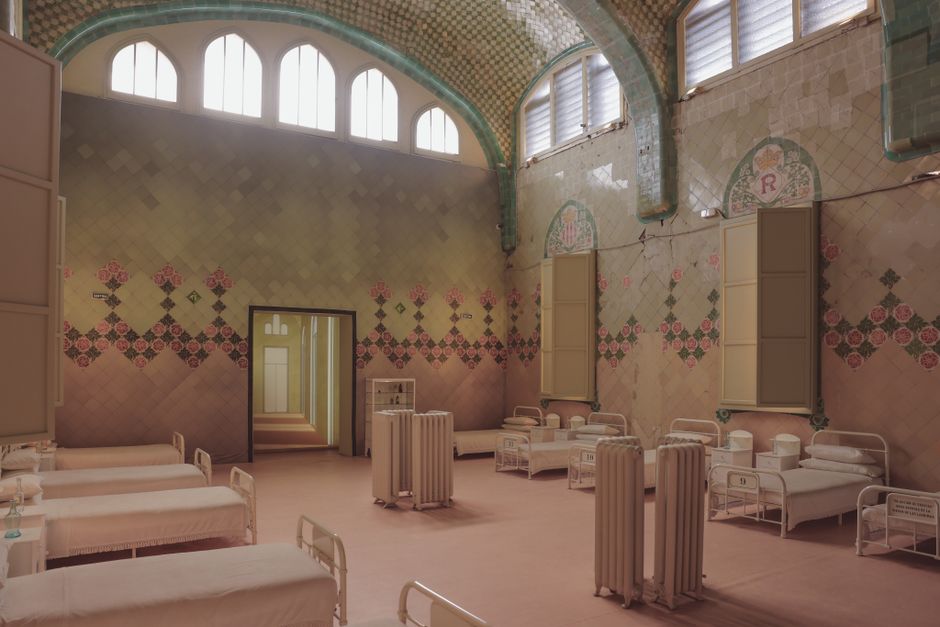
Historically, psychiatric hospitals were often places of confinement rather than treatment. Many patients were isolated from society, with little hope of recovery. However, as our understanding of mental health has evolved, so too has the function of these facilities. In the 20th century, the advent of psychotropic medications and new therapeutic approaches began to change the landscape.
Today, psychiatric hospitals focus on comprehensive care, integrating medication management, therapy, and support services. For instance, a patient admitted with severe depression may receive a combination of antidepressants and cognitive behavioral therapy, tailored to their specific needs. This holistic approach not only aids in stabilization but also promotes long-term recovery.
The Services Offered by Psychiatric Hospitals
Psychiatric hospitals provide a range of services designed to address the complex needs of individuals with mental health disorders. These services typically include inpatient care, outpatient services, crisis intervention, and specialized programs for conditions such as substance abuse or eating disorders.
Inpatient care is often necessary for individuals experiencing severe symptoms that pose a risk to themselves or others. During their stay, patients benefit from a structured environment, 24/7 supervision, and access to a multidisciplinary team of professionals, including psychiatrists, psychologists, nurses, and social workers.
Outpatient services, on the other hand, are designed for those who do not require intensive supervision. These services may include therapy sessions, medication management, and support groups. For example, an individual recovering from a psychiatric crisis may participate in weekly group therapy to build coping skills and resilience.
The Importance of Early Intervention
Early intervention in mental health can significantly improve outcomes for individuals suffering from psychiatric disorders. Studies have shown that prompt treatment can lead to better recovery rates, reduced hospitalizations, and improved quality of life. Psychiatric hospitals play a vital role in facilitating early intervention by providing immediate care options for those in crisis.
For instance, many psychiatric hospitals offer emergency services and crisis hotlines that allow individuals to seek help before their conditions worsen. This proactive approach not only alleviates the burden on emergency services but also ensures that patients receive the appropriate level of care in a timely manner.
Addressing the Stigma Surrounding Psychiatric Care
Despite the advancements in mental health care, stigma surrounding psychiatric hospitals remains a significant barrier to treatment. Many individuals fear being labeled as ‘crazy’ or believe that seeking help indicates weakness. It is crucial to challenge these misconceptions and advocate for a more compassionate understanding of mental health issues.
Public awareness campaigns and educational programs can help demystify psychiatric care and promote the idea that mental health is just as important as physical health. For example, individuals might be encouraged to share their experiences or stories of recovery, highlighting that seeking help is a strength rather than a weakness.
Furthermore, the integration of mental health services within general health care systems can also contribute to reducing stigma. As more people recognize that mental health issues are common and treatable, the perception of psychiatric hospitals will likely shift toward one of acceptance and understanding.
Conclusion: The Future of Psychiatric Hospitals
The future of psychiatric hospitals is promising, with ongoing advancements in treatment modalities and an increasing emphasis on patient-centered care. As society continues to evolve in its understanding of mental health, psychiatric hospitals will play a crucial role in providing essential services to those in need.
Encouragingly, initiatives aimed at improving access to mental health care are gaining momentum, and psychiatric hospitals are adapting to meet the changing needs of their patients. For those seeking help, finding a qualified professional, such as a Psychiatrist in dubai, can be a pivotal step towards recovery. By fostering a culture of acceptance and support, we can ensure that psychiatric hospitals remain a beacon of hope for individuals navigating their mental health journeys.