
Perfume, an enchanting blend of art and science, has captivated humanity for centuries. From ancient civilizations to modern luxury brands, the allure of scent transcends time and culture. This article delves into the fascinating world of perfume, exploring its history, composition, and the psychological effects it has on our emotions and memories.
The Historical Journey of Perfume
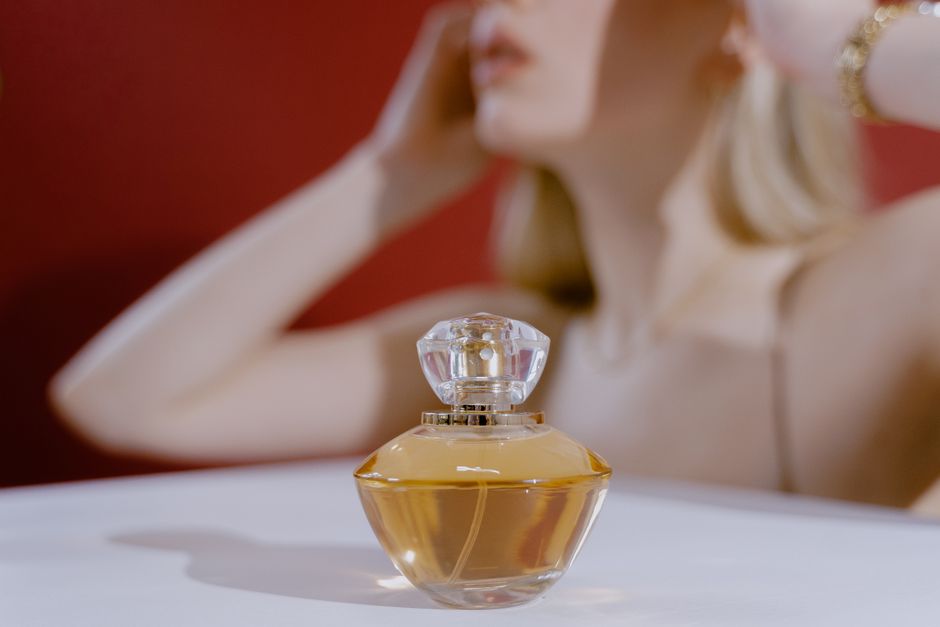
The history of perfume dates back over 4000 years, with the earliest records found in ancient Egypt. Perfumes were used in religious ceremonies and as offerings to the gods. The Egyptians created scents from natural ingredients like flowers, herbs, and spices, which were combined with oils to create fragrant oils. The art of perfumery soon spread to other cultures, including the Greeks and Romans, who refined the techniques and introduced new ingredients.
In the Middle Ages, the use of perfume evolved as it became associated with hygiene. People began to use scented oils and waters to mask unpleasant odors, especially during a time when bathing was not as frequent. The Renaissance period saw a resurgence of interest in perfumery, with the establishment of the first perfume factories in France, leading to the birth of the modern perfume industry.
Today, the perfume industry is a multi-billion dollar global market, with iconic brands and niche perfumers crafting unique scents that reflect personal identity and style. The evolution of perfume illustrates how deeply intertwined fragrance is with human culture and expression.
The Anatomy of Perfume: Understanding Composition
Perfume is composed of various elements, primarily fragrance oils, alcohol, and water. The fragrance oils are categorized into three main notes: top, middle, and base notes. Top notes are the initial scents that are perceived immediately upon application, providing a fresh and vibrant opening. These notes are usually light and evaporate quickly.
The middle notes, or heart notes, emerge once the top notes fade, forming the core of the fragrance. These notes are typically more robust and complex, lasting longer than the top notes. Finally, base notes provide depth and longevity to the scent, anchoring the lighter notes and offering a lasting impression. Common base notes include woods, resins, and musks.
Understanding the composition of perfume can enhance one’s ability to choose fragrances that resonate with personal preferences. For example, a perfume with a strong floral heart might appeal to those who enjoy romantic and feminine scents, while a fragrance with deep woody base notes may attract those who prefer a more earthy and grounded aroma.
The Psychology of Scent: How Fragrance Affects Emotions
Perfume has a profound impact on our emotions and psychological well-being. Research has shown that certain scents can evoke memories, influence mood, and even affect behavior. The olfactory system, responsible for our sense of smell, is closely linked to the brain’s emotional center, which explains why certain fragrances can trigger vivid memories or feelings of nostalgia.
For instance, the scent of lavender is often associated with relaxation and calmness, making it a popular choice for aromatherapy. Similarly, citrus scents like lemon and orange can uplift mood and increase energy levels. Understanding the psychological effects of different fragrances can empower individuals to choose scents that enhance their daily lives, whether they seek tranquility, focus, or confidence.
Moreover, the use of fragrance in marketing and branding has become a strategic tool for companies. Scent marketing, where specific fragrances are used to create an inviting atmosphere, can significantly influence consumer behavior and purchasing decisions.
Choosing the Right Perfume: Tips for Finding Your Signature Scent
Finding the perfect perfume can be a delightful yet overwhelming experience, given the vast array of options available. Here are some practical tips to help narrow down your choices:
1. **Know Your Preferences**: Begin by identifying the types of scents you are naturally drawn to—floral, fruity, woody, or oriental. This will help guide your exploration.
2. **Test on Skin**: Always try perfumes on your skin rather than on a tester strip. The chemistry of your skin can significantly alter how a fragrance smells once applied.
3. **Give It Time**: Allow the perfume to develop on your skin over a few hours. This will enable you to experience the full range of notes and determine if it aligns with your preferences.
4. **Consider the Occasion**: Think about when and where you plan to wear the fragrance. Some scents may be more suitable for daytime wear, while others may be better suited for evening events.
5. **Explore Niche Brands**: While mainstream brands offer popular options, don’t hesitate to explore niche perfumers like Maison Francis Kurkdjian (MFK), who create unique and personalized scents that stand out.
Conclusion: Embracing the World of Perfume
The world of perfume is a rich tapestry of history, science, and emotion. Understanding the complexities of fragrance composition, the psychological effects of scent, and the art of choosing the right perfume can enhance the way we experience and appreciate this captivating art form. Whether you are a fragrance novice or a seasoned enthusiast, embracing the world of perfume opens up endless possibilities for self-expression and personal connection.