
As the summer heat approaches, many homeowners look forward to enjoying their swimming pools. However, maintaining a clean and safe pool requires more than just filling it with water. Proper pool cleaning practices are essential for ensuring water quality, safety, and the longevity of your pool. In this guide, we will explore various aspects of pool cleaning, from regular maintenance routines to troubleshooting common issues.
Understanding Pool Cleaning Basics
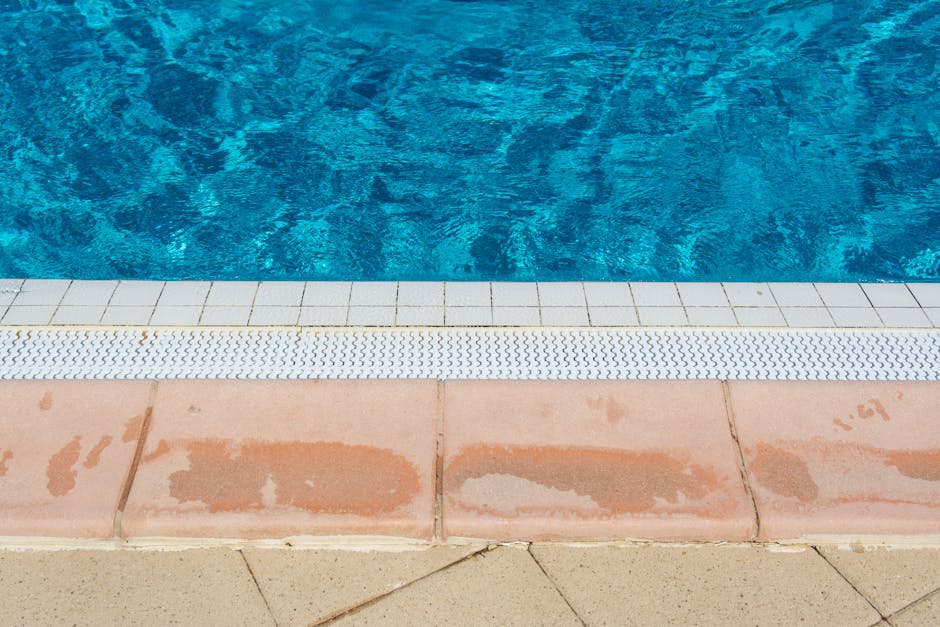
Before diving into specific cleaning techniques, it’s important to understand the basic components of pool cleaning. Regular cleaning involves several key activities: skimming the surface, brushing the walls, vacuuming the floor, and checking the chemical balance. Most pool owners can manage these tasks with a little knowledge and the right tools.
Skimming the pool’s surface helps remove debris such as leaves, insects, and other floating contaminants. This should be done daily or at least several times a week to prevent buildup that can lead to algae growth.
Brushing the walls and floor of the pool is essential for preventing algae and dirt accumulation. This task should be performed weekly, and using a quality brush can make the job easier and more effective.
Choosing the Right Pool Cleaning Equipment
The right equipment can make all the difference in your pool cleaning routine. Essential tools include a skimmer net, pool brush, vacuum, and a robotic pool cleaner. Each of these tools serves a specific purpose and contributes to overall pool hygiene.
For those who prefer automated solutions, robotic pool cleaners have gained popularity due to their efficiency and ease of use. These devices can clean the pool floor and walls while requiring minimal human intervention. Investing in a quality robotic cleaner can save time and ensure thorough cleaning.
When selecting equipment, consider factors such as the size of your pool, the type of debris you typically encounter, and your budget. For instance, some cleaners work better in larger pools, while others are designed for smaller, above-ground models.
Maintaining Proper Water Chemistry
Another crucial aspect of pool cleaning is maintaining the water chemistry. A well-balanced pool not only feels better to swim in but also helps protect your pool equipment and surfaces. Regular testing of pH, chlorine, alkalinity, and calcium hardness is vital.
The ideal pH level for pool water is typically between 7.2 and 7.8. If the pH is too low, it can lead to corrosion of metal fixtures, while a high pH can cause scaling and reduce chlorine effectiveness.
Chlorine levels should be maintained between 1-3 parts per million (ppm) to effectively kill harmful bacteria and prevent algae growth. Regularly checking and adjusting these levels can help keep your pool sparkling clean and safe for swimmers.
Seasonal Pool Cleaning Tips
Every season brings unique challenges for pool cleaning. In the spring, after a long winter, pools often require extra work to remove debris and prepare for use. An initial deep clean, including thorough scrubbing and chemical balancing, is essential.
During the summer, regular maintenance becomes critical, as increased usage leads to more contaminants. Schedule weekly cleanings and monitor chemical levels consistently to keep the pool inviting.
As autumn approaches, leaves and debris from nearby trees can quickly accumulate. Installing a pool cover can help reduce the amount of debris that enters the water, making the cleaning process easier. Additionally, consider using a leaf net to catch falling leaves before they sink.
Common Pool Cleaning Challenges and Solutions
Despite the best efforts, pool owners may face challenges such as cloudy water, algae blooms, or stubborn stains. Identifying the root cause is the first step in addressing these issues.
Cloudy water is often a result of improper chemical balance or inadequate filtration. Regularly checking chemical levels and cleaning filters can help restore clarity. For persistent algae problems, shock treatments or algaecides may be necessary.
Stains, whether from rust or organic materials, can be challenging to remove. Using a specialized stain remover or a mixture of baking soda and water can often help lift stains from pool surfaces.
In conclusion, maintaining a clean pool requires consistent effort and knowledge about proper cleaning techniques and equipment. By following these guidelines, you can ensure that your pool remains a safe, enjoyable oasis throughout the summer and beyond. Whether you choose to tackle the job yourself or hire professionals, understanding the fundamentals of pool cleaning will benefit you in the long run. For those who appreciate luxury in all aspects of life, owning a Luxury BMW car to drive to your pool can enhance the overall experience.