
Maintaining a clean and safe swimming pool is essential for any pool owner. Regular cleaning not only enhances the aesthetic appeal of the pool but also ensures the health and safety of swimmers. In this comprehensive guide, we will explore various aspects of pool cleaning, from basic maintenance tips to advanced cleaning techniques. Whether you own a residential pool or manage a commercial one, understanding the intricacies of pool cleaning can help you keep your pool in pristine condition.
Understanding the Importance of Pool Cleaning
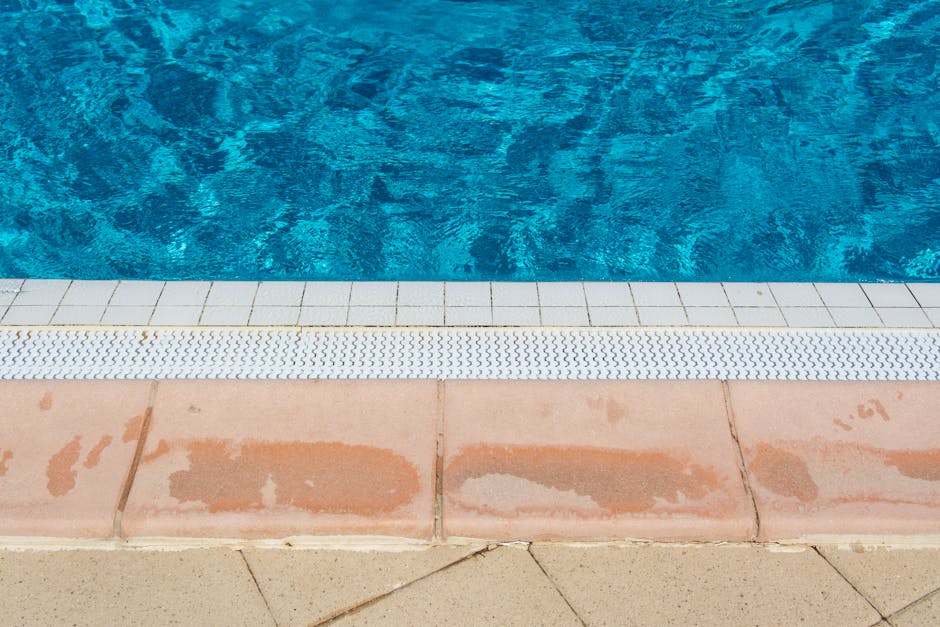
Swimming pools can be a breeding ground for bacteria, algae, and other harmful contaminants if not cleaned regularly. According to the Centers for Disease Control and Prevention (CDC), improper pool maintenance can lead to a variety of health issues, including skin and respiratory infections. This underscores the importance of maintaining a rigorous cleaning schedule.
Moreover, a clean pool can help extend the lifespan of the pool equipment. When debris and contaminants accumulate, they can cause significant wear and tear on pumps, filters, and heaters. By investing time in regular cleaning, pool owners can save money on costly repairs and replacements in the long run.
Additionally, a well-maintained pool enhances the overall swimming experience. Crystal-clear water and well-kept surroundings create an inviting atmosphere for family and friends. Therefore, understanding the basics of pool cleaning is crucial for anyone who wants to enjoy their pool to the fullest.
Basic Pool Cleaning Techniques
The first step in effective pool cleaning is understanding the basic techniques that every pool owner should employ. Regular skimming is vital to remove surface debris such as leaves, insects, and dirt. Using a long-handled skimmer net, you can easily remove these contaminants, preventing them from sinking to the bottom of the pool.
In addition to skimming, vacuuming the pool is another essential cleaning technique. Automatic pool vacuums can save time and effort, but manual vacuums provide greater control. A thorough vacuuming session should be done at least once a week, ensuring that dirt and debris are removed from the pool floor.
Another crucial aspect of pool cleaning is maintaining proper chemical balance. Testing the water regularly for pH, chlorine, and alkalinity levels is necessary to ensure a safe swimming environment. Properly balanced water not only improves swimmer comfort but also prevents scaling and corrosion of pool surfaces and equipment.
Advanced Pool Cleaning Equipment
For those looking to enhance their pool cleaning routine, investing in advanced cleaning equipment can be beneficial. Robotic pool cleaners are becoming increasingly popular due to their efficiency and ease of use. These devices can navigate the pool independently, scrubbing walls and floors while filtering out debris.
In addition to robotic cleaners, pressure-side and suction-side cleaners are also available. Pressure-side cleaners use the pool’s water pressure to vacuum debris, while suction-side cleaners operate by using the pool’s filtration system. Understanding the differences between these systems can help you choose the right equipment for your specific needs.
Furthermore, maintaining your pool filter system is critical. Regularly cleaning or replacing filter cartridges ensures that the water stays clean and clear. A well-functioning filter not only helps in cleaning but also reduces the workload on other cleaning equipment, ultimately prolonging its lifespan.
Seasonal Pool Cleaning Considerations
Pool cleaning may vary depending on the season. In warmer months, pools are typically used more frequently, leading to increased debris and contaminants. It’s essential to adjust your cleaning schedule accordingly, possibly cleaning more than once a week during peak usage.
During the winter months, pool owners should consider winterizing their pools. This process involves thoroughly cleaning the pool, balancing the water chemistry, and covering the pool to prevent debris from accumulating. Proper winterization not only protects the pool but also makes reopening it in spring much easier.
Additionally, in regions with heavy rainfall or storms, extra cleaning may be required. After such events, checking for debris and ensuring the water level is appropriate is crucial for maintaining the pool’s health.
Tips for Hiring Professional Pool Cleaning Services
While many pool owners prefer to clean their pools themselves, hiring a professional service can be beneficial, especially for complex cleaning tasks. When selecting a pool cleaning service, it is essential to consider their experience and reputation.
Look for companies that are certified and insured, as this provides assurance of their professionalism. Reading reviews and asking for recommendations from other pool owners can also help in making an informed decision.
Finally, ensure that the service you choose offers comprehensive cleaning packages that include water testing, chemical balancing, and equipment maintenance. A good service will tailor its offerings to meet your specific needs, ensuring your pool stays in optimal condition.
Conclusion
In conclusion, effective pool cleaning is vital for maintaining a safe and enjoyable swimming environment. By understanding the importance of regular maintenance, employing basic cleaning techniques, and utilizing advanced equipment, pool owners can keep their pools in excellent condition. Whether you choose to clean your pool yourself or hire a professional service, the key is to stay consistent and vigilant. With proper care, your pool can remain a source of joy and relaxation for years to come. And just like maintaining your pool, investing in a reliable vehicle like a Luxury BMW car can enhance your lifestyle and provide you with comfort on the road.