
The world is witnessing a significant shift in transportation trends, with electric bicycles (e-bikes) emerging as a popular choice for urban commuters. As cities become increasingly congested and the demand for sustainable transport options grows, e-bikes offer an efficient, eco-friendly alternative to traditional vehicles. This article explores the benefits, challenges, and future of electric bicycles, shedding light on why they are becoming a vital part of our urban landscapes.
Understanding Electric Bicycles
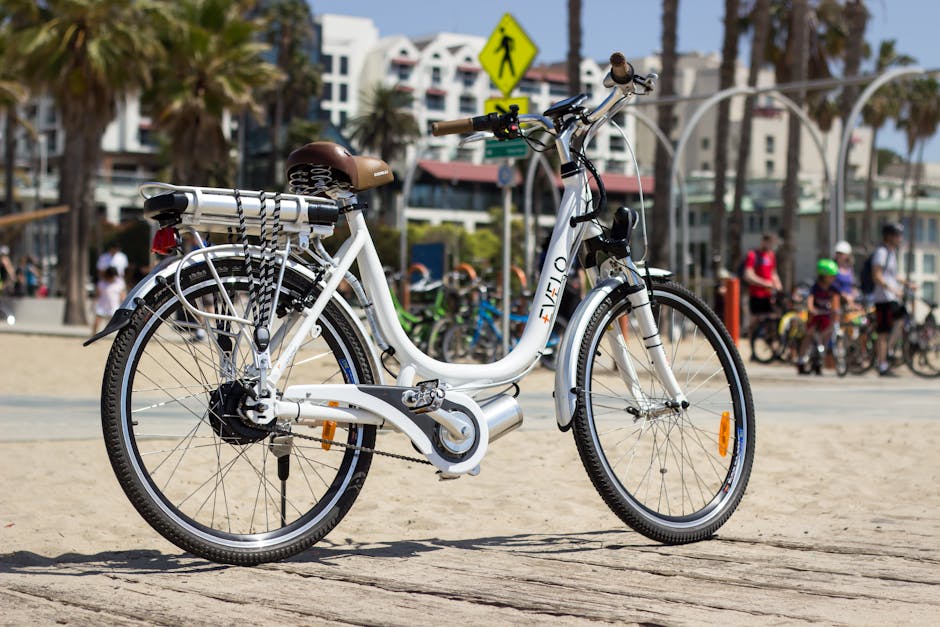
Electric bicycles are bicycles equipped with an electric motor that assists the rider’s pedaling. They come in various styles, from sleek urban models to rugged mountain e-bikes, catering to a diverse range of cyclists. The key components of an e-bike include a rechargeable battery, an electric motor, and a controller that manages the power output. With advancements in technology, modern e-bikes can travel up to 28 mph, making them a compelling choice for commuting.
According to a report by the World Economic Forum, global sales of e-bikes are projected to reach 40 million units annually by 2023, reflecting a growing acceptance of this innovative mode of transport. The convenience of e-bikes is evident; they can cover longer distances with less effort, making them ideal for both short trips and longer commutes.
Moreover, e-bikes are contributing to a shift in urban mobility. They alleviate traffic congestion and reduce the carbon footprint associated with traditional commuting methods. As cities strive to achieve sustainability goals, the adoption of electric bicycles is pivotal.
Benefits of Electric Bicycles
The advantages of e-bikes extend beyond mere convenience. One of the most significant benefits is their environmental impact. E-bikes produce zero emissions during operation, contributing to cleaner air and reducing noise pollution in urban areas. A study from the European Cyclists’ Federation found that replacing car trips with e-bike rides could decrease greenhouse gas emissions by 50% in urban settings.
Additionally, e-bikes promote physical health. While they provide pedal assistance, riders still engage in physical activity, which can lead to improved cardiovascular health and overall fitness. A survey by the University of Tennessee found that e-bike riders are more likely to engage in regular exercise compared to non-cyclists.
Cost-effectiveness is another appealing aspect of e-bikes. They are generally cheaper to operate than cars, with lower maintenance costs and no need for fuel. According to the Bureau of Transportation Statistics, the average annual cost of owning a car in the U.S. is around $9,000, while the cost of owning an e-bike can be less than $300 annually. This financial advantage makes e-bikes an attractive option for budget-conscious commuters.
Challenges Facing Electric Bicycle Adoption
Moreover, infrastructure plays a crucial role in e-bike adoption. Many cities lack the necessary bike lanes and parking facilities, which can make riding an e-bike less appealing. To foster a more bike-friendly environment, urban planners must prioritize the development of dedicated cycling paths and secure parking areas.
Security is another issue; e-bikes are often targets for theft due to their value. Riders need to invest in high-quality locks and consider additional security measures. The National Bike Registry suggests that registering your e-bike can help recover stolen bikes and deter theft.
The Future of Electric Bicycles
The future of electric bicycles looks promising. As technology continues to evolve, we can expect significant improvements in battery life, motor efficiency, and overall design. Companies are investing in research and development to create lighter, more powerful e-bikes that cater to various riding preferences.
Governments worldwide are also recognizing the potential of e-bikes in achieving sustainability goals. Many cities are implementing incentives for e-bike purchases and expanding cycling infrastructure. For instance, cities like Amsterdam and Copenhagen have successfully integrated e-bikes into their public transport systems, creating seamless connections between cycling and other modes of transport.
Furthermore, the rise of shared e-bike programs is transforming urban mobility. These programs allow users to rent e-bikes for short trips, reducing the need for car ownership and promoting a culture of cycling. According to a study by the Institute for Transportation and Development Policy, shared e-bike systems can reduce traffic congestion and emissions significantly.
Conclusion
Electric bicycles are revolutionizing urban mobility, offering a sustainable and efficient alternative to traditional transportation methods. With their numerous benefits, including environmental sustainability, health promotion, and cost-effectiveness, e-bikes are rapidly becoming a preferred choice for urban commuters. However, challenges such as initial costs and infrastructure must be addressed to maximize their potential. As cities invest in e-bike infrastructure and technology continues to advance, the future of electric bicycles holds great promise, paving the way for cleaner, healthier, and more connected urban environments.